


If you are wondering what to expect in a Base demo, expect a practical conversation about how your operation works now and where Base would fit into it.
We usually spend the call looking at the parts of the workflow that create the most friction. That might be job setup, vendor coordination, disbursement accounting, document handling, client visibility, or the handoff between operations and finance.
You will see the product, but the useful part of the demo is the discussion around your process. We want to understand how work moves through your team, where people are still relying on spreadsheets or inboxes, and which parts of the job are taking more time than they should.
By the end of the call, you should have a clear sense of how Base handles those areas and whether it fits the way your team actually works.
How Long Does a Base Demo Take?
Usually about 20 minutes.
If there is one area you want to spend more time on, tell us at the start.
A team looking at disbursement accounting will probably want to spend the call differently from a team focused on job management or vendor coordination.
You can also review Base pricing before the call if you want to see the plans first.
Who Is on the Call?
You’ll meet with someone from our team who knows Base and can talk through your current process with you.
Most demos work well with one or two people who are close to the day-to-day workflow. That might be someone in operations, finance, disbursement accounting, or management.
If there are other people involved in the decision, they are welcome to join too.
If you are still comparing systems, our guide to the best port agency software can help you think through what you want to see before the call.
What Will You See?
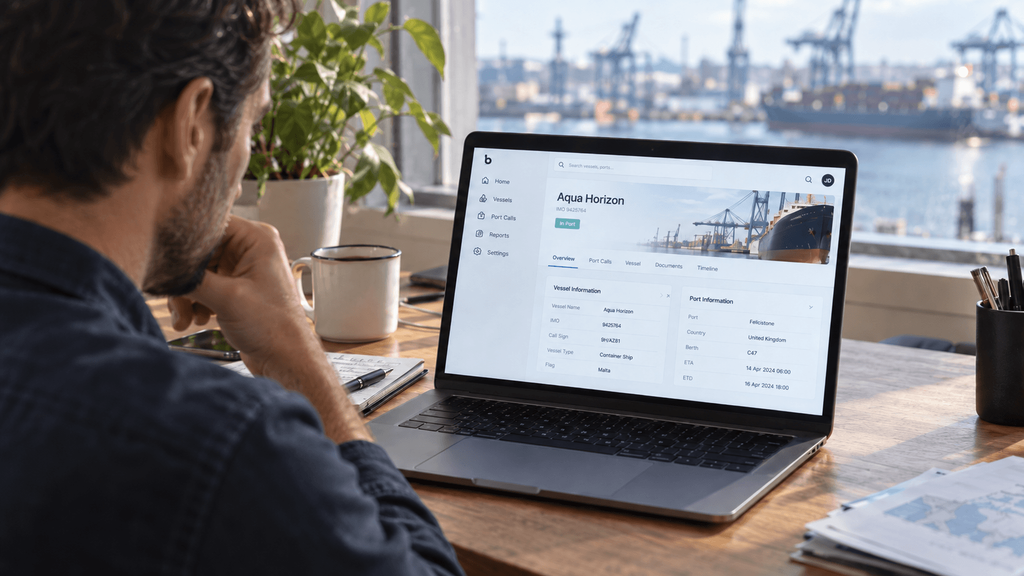
We’ll shape the demo around the parts of the operation you want to look at most closely.
For a port agency, that may mean following a job from nomination through final disbursement and looking at things like:
- Creating the job
- Vessel and port information
- Client and vendor records
- Building the PDA
- Vendor costs
- Purchase orders
- Vendor invoices
- Supporting documents
- PDA and FDA variance
- Final invoicing
- Client visibility
- QuickBooks or Xero connections
If your team is mainly focused on disbursement accounting, we can spend more time on PDAs, FDAs, cost backup, and invoicing.
If your questions are more operational, we can spend more of the call on jobs, vendors, documents, and the information your team needs to keep together during a port call.
Our port agency software and port call software pages also give a broader look at those workflows before the demo.
What Will We Ask You?
We’ll ask a few questions about how work moves through your team today.
That might include:
- How do nominations come in?
- Who creates the job?
- How do you build your PDA?
- Where do your rates live?
- How do you request vendor pricing?
- Who approves vendor work?
- Where do vendor invoices go?
- Who prepares the FDA?
- What accounting system do you use?
- Where does the process tend to slow down?
We are not looking for a polished process map.
A simple walkthrough of how a job moves from nomination to close gives us enough context to show you the parts of Base that are most relevant.
Bring One Real Port Call
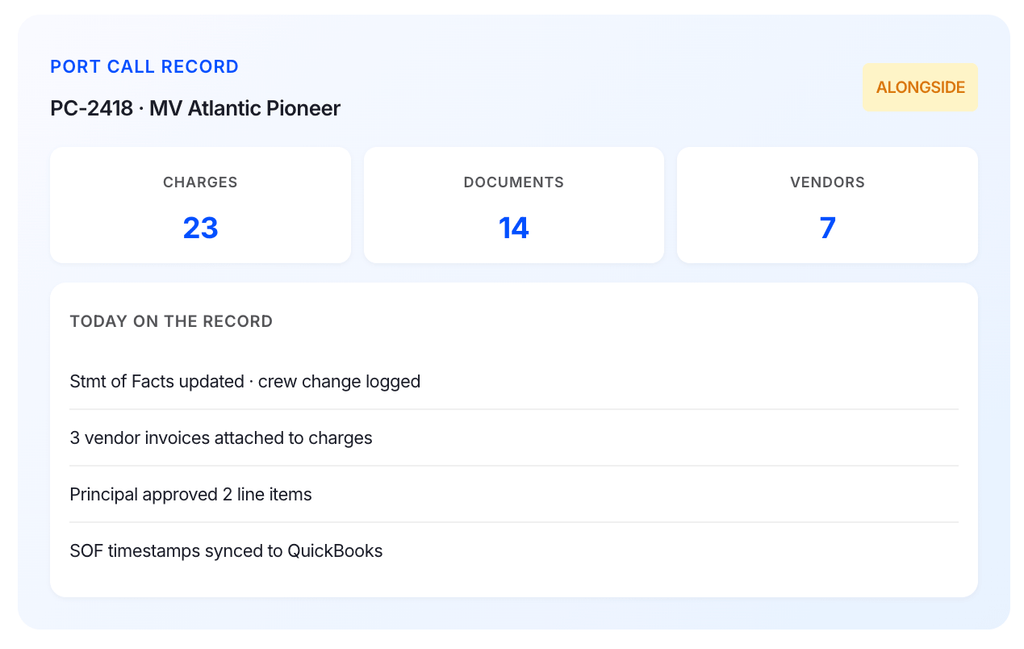
If you have a recent port call handy, bring it with you.
We can look at the actual nomination, the vendors involved, the PDA you sent, and what happened as the job moved toward the FDA.
A routine call works well. A messy one can be even more revealing.
Maybe the ETA changed twice. Maybe a vendor invoice came in late. Maybe finance had to chase backup before closing the FDA. Those details give us something concrete to work through together.
They can also show where the process starts to get fragmented.
We may see vendor information being entered more than once, approvals living in email, or finance rebuilding part of the job at close.
Looking at a real call gives you a much clearer picture of how Base would fit into the way your team already works.
Do You Need to Migrate Your Data First?
There is no need to migrate anything before the demo.
Your vendor list, client records, historical jobs, templates, and accounting data can all stay where they are while we walk through Base with you.
You also do not need to have implementation mapped out beforehand. The demo is simply a chance to see how Base would work alongside the processes and systems you already have today.
What to Expect in a Base Demo
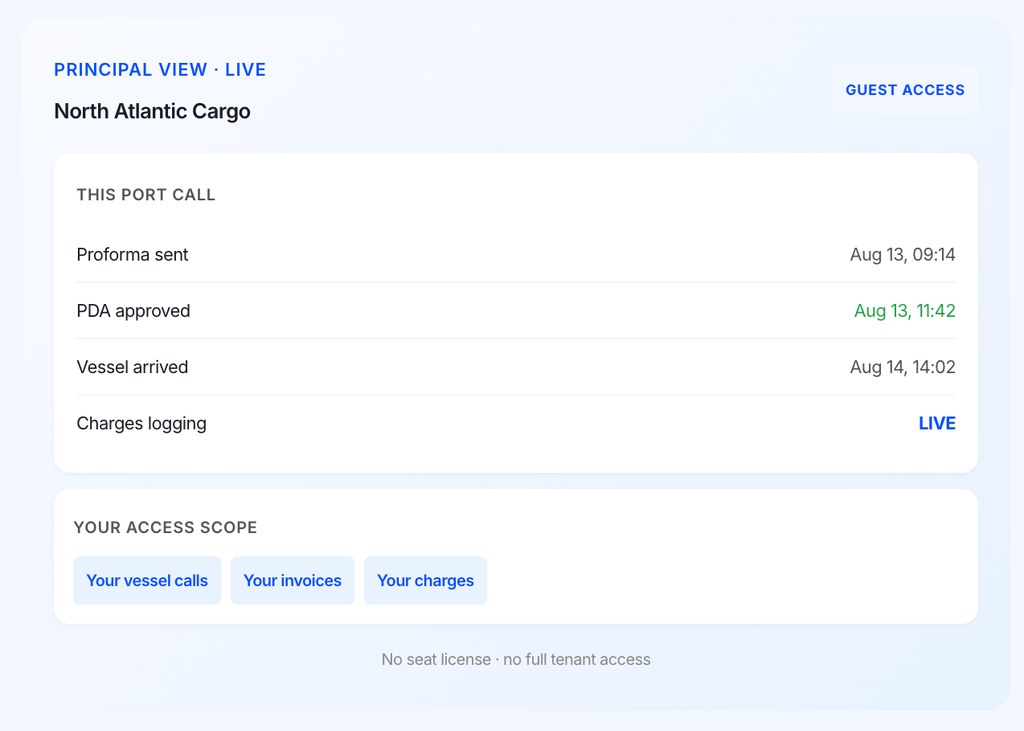
If you are still wondering what to expect in a Base demo, the main thing is that the conversation stays focused on your operation.
We’ll look at how your team works today, walk through the parts of Base that are relevant, and answer the questions that matter to your team.
The goal is to give you a clear sense of how Base would fit into your existing process and whether it is worth taking the next step.
If you are ready to see it for yourself, request a Base demo.


