


When you’re putting together a proforma disbursement account (PDA), you’ll come across several charges that depend on the vessel’s size. The trouble is, different charges can use different measurements.
You might see gross tonnage listed for pilotage, net tonnage used for port dues, and another measurement entirely for berth charges.
So, which figure should you use?
Gross tonnage (GT) measures a ship’s total enclosed volume, while net tonnage (NT) is calculated primarily from its cargo-space volume. Both can affect port charges. Many ports use GT for port dues and pilotage, while others use NT or different measurements. The correct figure depends on the port’s published tariff.
Understanding the difference helps you prepare a more accurate PDA and explain the charges when a principal has questions.
What Is the Difference Between Gross Tonnage and Net Tonnage?
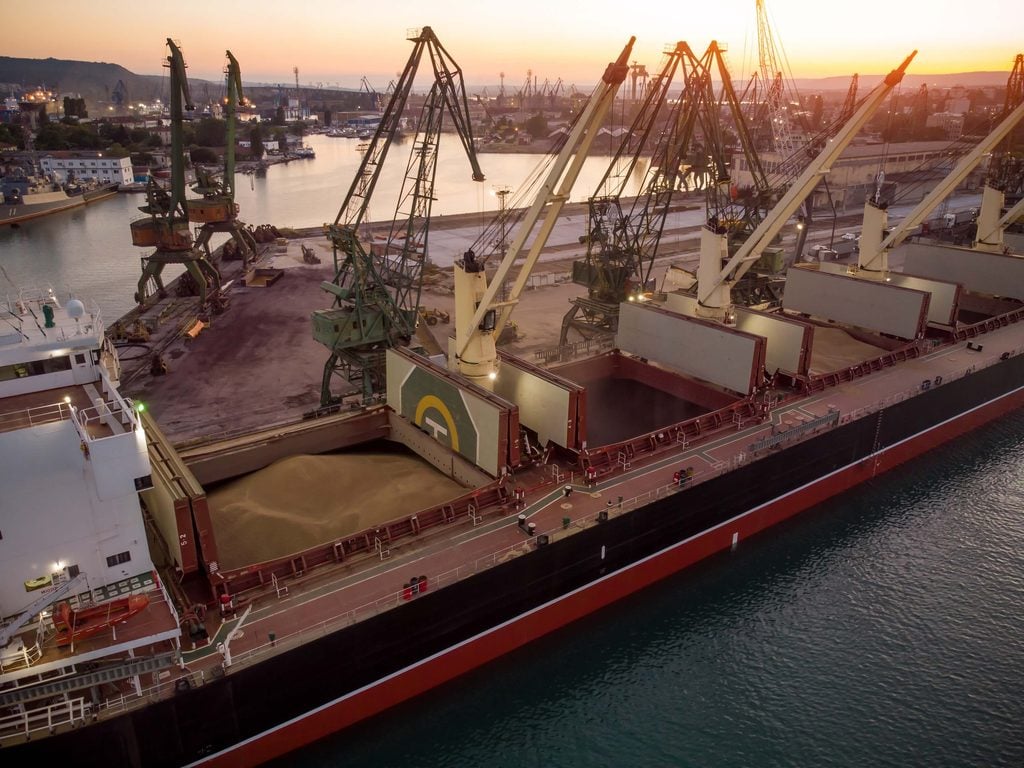
Gross tonnage and net tonnage are two ways of measuring a vessel’s internal volume.
- Gross tonnage is calculated using the total volume of all enclosed spaces on a ship. It gives port authorities a standardized measure of the vessel’s overall size.
- Net tonnage is calculated mainly from the volume of the ship’s cargo spaces, with other factors included in the formula. It provides a measure related to the vessel’s earning capacity.
The International Maritime Organization (IMO) established these measurements under the International Convention on Tonnage Measurement of Ships, 1969.
The convention also specifies that NT cannot be less than 30% of GT. This prevents the calculated net tonnage from becoming disproportionately low, regardless of how a vessel’s internal spaces are arranged.
Neither measurement represents the actual weight of a ship.
You may also come across a few older or related terms:
- Gross registered tonnage (GRT): An older measurement of a vessel’s enclosed volume, replaced internationally by modern GT.
- Net registered tonnage (NRT): The corresponding older net measurement, which still appears in certain regulations and historical documents.
- Deadweight tonnage (DWT): The weight a vessel can carry, including cargo, fuel, stores, and other variable loads. Unlike GT and NT, DWT measures weight and is less commonly used to calculate routine port charges.
These measurements serve different purposes, so you should always check which one the port authority requires.
Which Port Charges Use Gross Tonnage or Net Tonnage?
There isn’t one universal rule for calculating port charges.
Some ports charge a set amount for every unit of GT. Others use tonnage bands, NT, vessel dimensions, or the amount of cargo being handled.
Even within the same port, different services may use different measurements.
Here’s how the most common charges are calculated.
| Port charge | Common charging basis | Published example | What to check |
|---|---|---|---|
| Port / harbour dues | GT or NT | Silloth 2026 uses GT; Malta’s port dues regulations use NT | Vessel certificate and tariff |
| Pilotage | GT, tonnage bands, LOA or draft | Menai Strait 2026–27: 32p per GT, minimum 850 GT | GT, minimum charge and pilotage movement |
| Towage | Vessel size, tug requirements or quoted rates | Port- or provider-specific tariff | Tug quotation and vessel particulars |
| Berth / dockage | GT, LOA or time alongside | Silloth 2026: dock dues charged per GT | Vessel dimensions and berth duration |
| Wharfage | Cargo weight, volume or units | Silloth 2026: commodity-specific rates per cargo tonne | Cargo type and quantity |
| Light dues | NT, NRT or port-specific basis | UK 2026–27: 46p per net registered tonne | Applicable tonnage and charge limits |
| Canal transit | Canal-specific tonnage | Suez uses SCNT; Panama uses PC/UMS | Canal tonnage certificate |
| Tonnage tax | Usually NT under applicable tax rules | Jurisdiction-specific tax regime | Tax rules, generally separate from PDA charges |
Sources: Silloth Port Tariff 2026, Menai Strait Pilotage Charges 2026–27, Malta Port Dues Regulations, and the UK light dues announcement for 2026–27.
Why Do Ports Use Different Measurements?
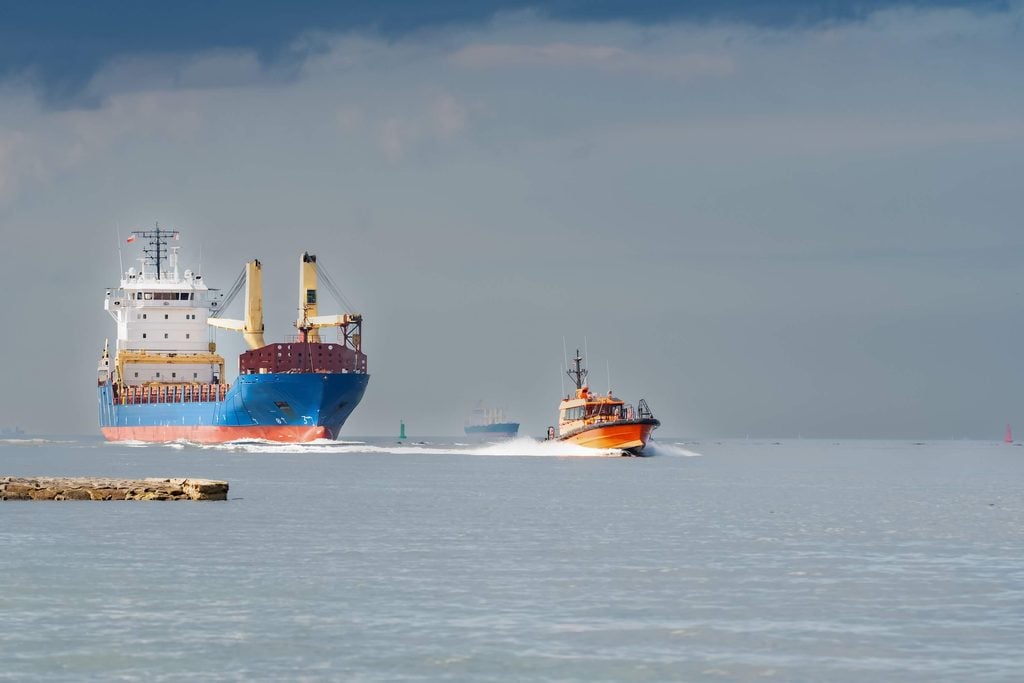
Each port authority sets its own tariff structure, so the way one port calculates a charge may be completely different from another.
Take pilotage, for example.
Under the Menai Strait’s 2026–27 tariff, a standard sea-to-berth movement costs 32 pence per GT, subject to a minimum charging basis of 850 GT.
Another port might charge a fixed amount for vessels within a particular GT range. Others consider the vessel’s draft, length, or the type of pilotage movement involved.
The same applies to port dues. Silloth’s 2026 tariff uses GT, while Malta’s Port Dues Regulations define the relevant tonnage as NT.
Canal transit charges introduce another consideration. The Suez Canal uses Suez Canal Net Tonnage (SCNT), and Panama uses the Panama Canal Universal Measurement System (PC/UMS). These are separate measurement systems, so you can’t simply substitute the vessel’s ordinary NT figure.
For an agent preparing a PDA, this means checking the applicable tariff for each service. And even when several charges use GT, they still need their own lines and calculations.
How Does Gross Tonnage Affect a PDA?
Let’s look at what this means when you’re preparing an estimate for an upcoming port call.
Say you’ve received a nomination for a cargo vessel with the following particulars:
- Gross tonnage: 12,000 GT
- Net tonnage: 7,200 NT
- Length overall: 145 metres
- Cargo quantity: 5,000 tonnes
- Estimated time at berth: Two days
The port’s tariff uses GT for port dues and pilotage, LOA for berth charges, and NT for light dues.
Your estimated PDA might look something like this:
| PDA charge | Measurement used | Calculation | Estimated cost |
|---|---|---|---|
| Port dues | 12,000 GT | $0.20 × GT | $2,400 |
| Pilotage | 12,000 GT | $0.15 × GT | $1,800 |
| Berth charges | 145 m LOA | $2 × LOA × 2 days | $580 |
| Light dues | 7,200 NT | $0.10 × NT | $720 |
| Towage | Vendor quotation | Fixed estimate | $2,500 |
| Wharfage | 5,000 cargo tonnes | $0.40 × tonne | $2,000 |
| Total estimated PDA | $10,000 |
Illustrative example only. These are hypothetical rates and do not represent any specific port’s tariff.
Now, what happens if you accidentally use the vessel’s NT instead of GT for port dues?
At the hypothetical rate of $0.20 per GT, you’d calculate $1,440 instead of $2,400.
That’s $960 missing from the estimate, and it’s only one charge.
If you’ve made the same mistake elsewhere, that gap could get considerably bigger. The difference may not become obvious until the vendor invoices and actual port charges arrive.
By then, you’re dealing with questions about why the final disbursement account (FDA) is higher than the original PDA.
How Do Agents Verify the Correct Tonnage Before Quoting?

When you’re preparing a PDA, the vessel nomination is usually your starting point. It should contain the particulars you need, including GT, NT, and dimensions.
However, it’s worth checking those figures against the vessel’s official documentation before sending the estimate.
Here’s what that process should look like.
1. Check the International Tonnage Certificate
The International Tonnage Certificate (1969) contains the vessel’s official GT and NT measurements.
Compare those figures with the nomination. If they don’t match, ask the vessel operator or principal to confirm the current particulars.
2. Check the Port’s Tariff
Once you have the vessel’s measurements, check which ones the port uses for each service.
Watch for minimum fees, tonnage bands, vessel classifications, and special adjustments.
For example, Silloth’s 2026 tariff offers a 17% reduction on certain GT-based charges for qualifying oil tankers with segregated ballast tanks. The vessel needs the required notation on its International Tonnage Certificate.
3. Deal With Missing or Conflicting Figures
What if the certificate isn’t available?
Start by checking with the vessel operator. If you still can’t obtain it, see whether the port authority provides an alternative way to calculate the charge.
Silloth’s 2026 tariff, for example, includes a provisional calculation for vessels without an International Tonnage Certificate. Under the specified circumstances, NT is calculated as 60% of provisional GT.
That’s a rule specific to Silloth, so you wouldn’t want to apply it to another port without checking its tariff.
4. Keep a Record of the Calculation
For each PDA charge, keep the tonnage figure, tariff reference, and calculation together.
If a principal asks how you arrived at an estimate, you can refer to the actual numbers. You’ll also have those details available when it’s time to reconcile the FDA.
How Does Base Help Agents Prepare Accurate PDAs?
Checking vessel particulars and matching them against the correct tariff can take time, especially when you’re preparing estimates for multiple vessels or ports.
Software like Base helps agents manage that work in one place.
When you look up a vessel in Base, its available particulars automatically populate, including tonnage, dimensions, flag, and IMO number.
Base also has stored tariff data for more than 100 US ports. When preparing a PDA, agents can use the relevant port tariff and apply client-specific contracted rates where needed.
This gives agents a starting point for calculating individual charges, while keeping the vessel information and port call details together.
You can still check the applicable certificate and published tariff when verification is needed, particularly if the vessel’s details are incomplete or a charge has special conditions.
For teams preparing PDAs regularly, having those details readily available can cut down on repeated data entry and make estimates easier to check.
Conclusion: Check the Gross Tonnage Before You Quote
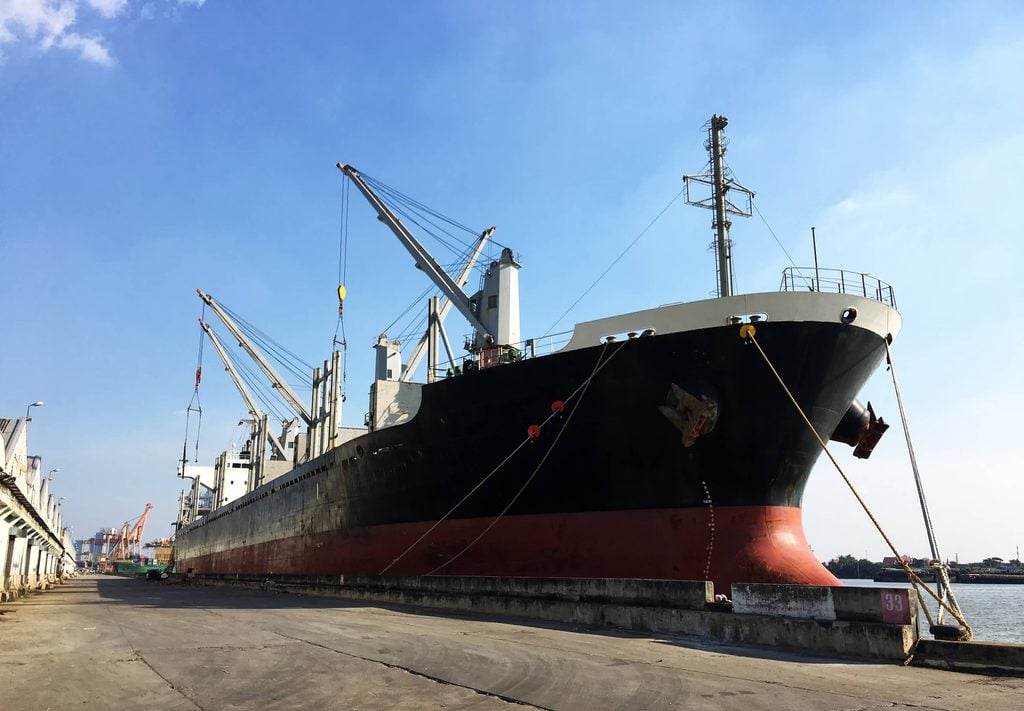
Gross tonnage and net tonnage can both affect the cost of a port call, and the measurement used depends on the individual charge and the port’s tariff.
For agents, the safest approach is to check the vessel’s official particulars, confirm the charging basis for each service, and keep those calculations with the PDA.
If you’re preparing estimates regularly, Base can help you keep vessel information and port tariffs together, with each charge accounted for separately.
See How Base Handles Proforma Disbursement Accounts
Frequently Asked Questions
How much is one gross ton?
Gross tonnage is a dimensionless measurement calculated from a vessel’s enclosed volume. One GT doesn’t equal one metric tonne or a fixed amount of weight. The calculation follows the International Convention on Tonnage Measurement of Ships, 1969.
Can two vessels have the same gross tonnage but different net tonnage?
Yes. Two vessels can have the same GT but different NT figures because their cargo-space volumes and other characteristics used in the NT calculation may differ.
Does gross tonnage change when a vessel loads or unloads cargo?
No. Loading and unloading cargo affect a vessel’s weight and draft, but ordinarily do not change its gross tonnage. GT may need to be recalculated if structural modifications change the vessel’s enclosed volume.


