


If you’ve ever reviewed a stevedore invoice after a busy port call, you know there can be quite a bit to sort through.
The agreed handling rate is usually easy enough to check. It’s the additional charges for overtime, standby, shifting, and extra gang hours that can take some digging. You might find yourself going back through the Statement of Facts (SOF), checking tally sheets, or tracking down an email approving work that happened several days earlier.
And when something doesn’t add up, you need enough information to question the charge before it makes its way into the final disbursement account.
So, what should you actually be looking for?
We’ll walk through the most common stevedoring charges, how they’re calculated, and the records port agents use to check each one.
What Are Stevedoring Charges?

Stevedoring charges are fees for loading, unloading, handling, and, where included in the scope, securing cargo aboard a vessel. They’re one of several port charges that may need to be accounted for during a port call.
The billing method depends on the cargo, port, and stevedoring agreement.
A bulk cargo operation might be charged per metric ton. Container handling is often billed per move, while certain breakbulk or specialist operations may be charged according to the number of gangs and hours worked.
The agreed handling rate is usually the starting point. Overtime, standby, cargo shifting, and additional services can all affect the final amount.
Two vessels handling similar cargo may receive different invoices because of how long operations took, the equipment required, and the terms agreed with the stevedore.
What’s Included on a Stevedore Invoice?
Stevedore invoices typically start with the agreed cargo-handling rate. Overtime, standby, shifting, and other services may appear as separate lines depending on the contract.
Here’s what those charges generally cover:
Base Handling Charges: Per Ton, Per Move, or Per Gang-Hour
The base handling charge covers the main cargo loading or discharge work.
Depending on the agreement, it may be calculated using:
- Per ton: A rate applied to the cargo quantity handled, commonly used for bulk and certain breakbulk operations.
- Per move: A charge for each cargo-handling move, often used for container operations.
- Per gang-hour: A rate based on the number of working gangs and their billable hours, which may apply to specialist or labor-intensive cargo operations.
For example, if a vessel discharges 8,000 metric tons of bulk cargo, the invoiced tonnage should agree with the quantity used for billing under the contract.
With gang-hour billing, the number of gangs, their working hours, and the agreed rates determine the charge.
What to check: The stevedoring agreement or tariff, cargo tally, movement records, and gang timesheets.
Overtime, Weekend, and Holiday Charges
Cargo operations can extend beyond normal working hours, particularly when vessel arrivals change or discharge takes longer than expected.
Stevedoring agreements typically establish when premium rates apply and how they’re calculated. Some distinguish between evening shifts, weekends, and public holidays.
When reviewing overtime charges, check the hours worked, the applicable rate, and whether the agreement requires prior authorization.
The SOF records the timing of cargo operations, while gang timesheets help establish the labor hours charged. If the SOF shows cargo operations ending at 22:00 but overtime is billed through midnight, those additional two hours need an explanation. They could relate to a contractual minimum or paid release time, depending on the agreement.
Standby and Idle Gang Charges
Standby charges arise when a gang has been ordered or made available but cargo operations cannot proceed.
Common reasons include:
- Delayed vessel arrival or berth availability.
- Cargo holds that aren’t ready.
- Weather interruptions.
- Equipment breakdowns.
- Missing cargo documentation.
- Delays caused by another service provider.
Whether the waiting time is billable may depend on who caused the delay and what the contract allows.
For example, standby caused by a vessel-readiness issue may be treated differently from waiting time caused by the stevedore’s own equipment failure.
The SOF helps establish when operations stopped and resumed. Gang attendance records and the stevedoring agreement provide the additional information needed to review the charge.
Cargo Shifting Charges
Shifting charges cover additional cargo movements outside the original handling scope.
Cargo may need to be repositioned within a hold, moved to access another consignment, or restowed during operations.
An invoice that includes shifting charges should have corresponding work instructions or movement records. It’s also worth checking whether the work was included in the original handling agreement.
Cargo shifting is separate from vessel shifting, which involves moving the vessel between berths and may generate additional marine service charges.
Lashing and Securing Charges
Project cargo, heavy equipment, vehicles, and certain breakbulk shipments may require additional lashing or securing before departure.
Depending on the agreement, the stevedore may charge separately for labor, materials, or specialist securing work.
Check the original service scope to see what’s included in the handling rate. Any additional labor or materials should be supported by work records and, where required, approval from the party responsible for the expense.
Tally Charges
Tally services involve counting and recording cargo during loading or discharge.
Some stevedoring agreements include tallying within the handling rate. Others bill it separately, based on the agreed service and charging method.
The tally sheet also provides cargo quantity records that agents use when reviewing other invoice lines, particularly handling charges calculated by tonnage or units.
Minimum Gang Charges
Some stevedoring agreements specify a minimum number of billable hours or a minimum engagement period for each gang.
A gang that works for three hours, for instance, may still be billed for four if the contract requires a four-hour minimum.
Check the gang order, actual attendance, and minimum engagement provisions. It’s also worth looking for overlapping charges, particularly when minimum hours and standby appear on the same invoice.
Stevedoring Charges at a Glance: What Agents Need to Verify
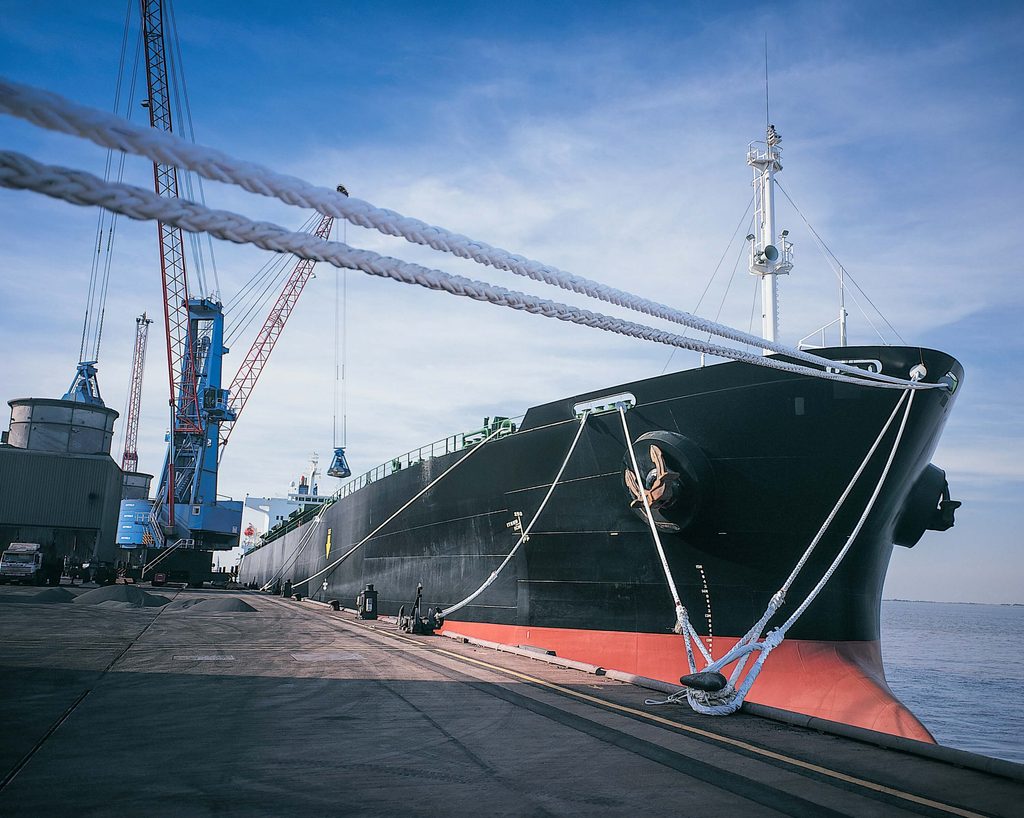
Different invoice lines require different supporting records. This table covers the main charges and the discrepancies worth checking.
| Invoice Line | Billing Basis | Checked Against | Common Error |
|---|---|---|---|
| Base handling | Per ton, move, or gang-hour | Contract, tally, movement records | Incorrect quantity or rate |
| Overtime | Premium hourly rate | SOF, shift records, tariff | Incorrect overtime hours |
| Standby | Idle gang time | SOF, gang logs, contract | Unbillable waiting time |
| Cargo shifting | Per move or agreed rate | Work orders, cargo records | Unapproved additional work |
| Lashing and securing | Labor, materials, or fixed rate | Service scope, completion records | Charges already included in base rate |
| Tally | Per unit or agreed fee | Tally sheet, agreement | Duplicate or incorrect quantity |
| Minimum gang | Minimum hours or engagement | Contract, gang orders | Incorrect minimum application |
How Do Port Agents Check a Stevedore Invoice?
An invoice review generally comes down to four checks: the agreed rate, the hours billed, the cargo quantity, and the authorization for additional work.
The Stevedore Invoice Check
- Rate card: Compare the billed rates and charging rules with the stevedoring agreement or applicable tariff.
- Hours against the SOF: Reconcile working periods, overtime, and standby against the Statement of Facts and gang records.
- Tonnage against the tally: Confirm the billed cargo quantity using the tally sheet and the contract’s measurement basis.
- Extras against written approval: Check that additional labor, shifting, lashing, and other services were authorized where required.
The hours and cargo quantities often require a closer review, particularly when the stevedore’s figures don’t agree with the records held by the agency.
Check Billed Hours Against the Statement of Facts
The Statement of Facts records significant events during the port call, including cargo operations, stoppages, and other relevant timings.
When an invoice includes hourly charges, it’s one of the main documents used to check them.
Consider a stevedore invoice with six hours of standby time. The SOF records an interruption in cargo operations from 10:00 to 12:00, followed by operations resuming at noon.
The invoice includes four hours beyond the interruption shown in the SOF.
Before disputing the charge, the agent needs to establish when the gang was ordered to report and how the agreement treats waiting time.
Perhaps the gang was ordered for 06:00, but the vessel wasn’t ready until 10:00. Depending on the contract, those earlier hours may be billable.
Alternatively, the extra time could be an incorrect entry or an overlap with another charge.
The records to compare include:
- SOF: Cargo operation times, stoppages, and recorded reasons for delays.
- Gang orders: When the stevedore was instructed to provide labor.
- Gang timesheets: Attendance, working hours, and release times.
- Stevedoring agreement: Rules governing standby, breaks, minimum hours, and overtime.
One detail worth paying attention to is the difference between time spent physically handling cargo and the hours for which a gang was engaged.
A gang may be on duty during a period when cargo operations are stopped. Whether that time is chargeable depends on the agreement and circumstances.
If the stevedore’s records show something different from the SOF, the discrepancy can be raised with the relevant timestamps and supporting documents.
Check Billed Tonnage Against the Tally Sheet
For handling charges calculated by cargo quantity, the tally sheet provides an important reference.
Say a stevedore invoices 12,500 metric tons for discharge, but the final cargo records show 12,200. Before requesting a correction, check which quantity the contract uses for billing.
Some agreements specify a quantity based on a survey, cargo document, or another measurement method. Tally sheets may record packages or units rather than an independently measured weight. If the invoice should use the final discharged quantity, the difference needs to be explained.
The same issue can arise with unitized cargo.
A tally might show 450 units discharged while the invoice includes 470 handling moves. Those additional movements could be legitimate if cargo was repositioned or handled more than once. The agent would need the movement records to confirm that.
Where quantities differ, compare the invoice against the tally sheet, cargo manifest, final cargo figures, and any additional handling records required by the contract.
Verify Additional Charges Against the Original Instructions
Additional services can be harder to check after the vessel has sailed, especially when instructions were issued during a busy cargo operation.
An invoice might include another gang, extra shifting work, or overtime outside the original estimate.
For each additional charge, look for the instruction requesting the work, the agreed rate, and any approval required under the contract. A message confirming an additional gang or authorizing overtime can be useful evidence when the invoice arrives several days later.
If the charge has no corresponding instruction or approval, the operations team may need to clarify what was requested before finance accepts it.
Who Pays Stevedoring Charges Under FIO and Liner Terms?

Responsibility for stevedoring costs depends on the contractual terms governing the shipment.
Under FIO (Free In and Out) terms, loading and discharge costs are generally allocated to the charterer or cargo interests rather than the shipowner. Under liner terms, loading and discharge costs are generally included in the carrier’s freight arrangements.
Other terms, including FIOS and FIOST, can extend the allocation to stowage and trimming. The exact responsibility depends on the charterparty, booking agreement, and applicable cargo-handling clauses. As marine insurer Gard explains in its discussion of cargo operations, FIOS terms can shift responsibility for loading, stowing, and discharge away from the shipowner, depending on the contractual wording.
For the port agent, the party receiving the stevedore invoice may also be different from the party ultimately responsible for the expense.
An agent may arrange the service and receive the invoice on behalf of a principal, so the contractual terms and billing instructions need to be checked before assigning the cost.
What Happens When a Stevedoring Charge Is Disputed?
Say a stevedore bills eight hours of overtime, but the gang records show only six hours qualifying for overtime under the agreed rate schedule.
The agent sends the discrepancy to the stevedore along with the relevant timesheets and contract provisions.
The vendor may have an explanation for the additional time, such as a contractual minimum. If the charge was entered incorrectly, a revised invoice or credit note may be required.
Most disputes involve a few basic steps:
- Identify the disputed invoice line and amount.
- Gather the relevant agreement, SOF, tally sheet, timesheets, or approvals.
- Send the discrepancy to the vendor with a clear explanation.
- Review the response and establish the agreed amount.
- Obtain a corrected invoice or credit note where required.
- Update the payable and any affected disbursement records.
The accounting adjustment deserves attention, particularly if the original amount has already been entered into the vessel’s disbursement account.
If the vendor corrects an overtime charge but the agency’s records still show the original amount, the final disbursement account may contain an incorrect expense.
Keep the original invoice, correspondence, supporting records, and corrected documents together. That gives the agency a clear explanation of the adjustment if the principal asks about it later.
We’ve covered this in more detail in our guide to vendor disputes in port operations.
How Base Helps Agents Check Stevedoring Charges
A stevedore invoice can involve several documents collected throughout the port call. The rate agreement may be stored with the vendor contract, while the SOF, tally sheets, and approvals sit with the operations team.
Base keeps vendor rates, invoices, and supporting documents connected to the vessel job, giving operations and finance access to the information they need during the review.
Here’s where some of Base’s features are particularly useful.
Compare Invoiced Rates With Vendor Rate Cards
Base lets agencies maintain vendor rate cards and apply rate checks during invoice review.
When a stevedore submits an invoice, the billed rates can be compared against the agreed vendor rates. Base’s rate enforcement flags charges that exceed the stored rate.
For example, if a stevedore invoices a higher gang-hour rate than the one agreed, the discrepancy can be flagged for review.
The agent can check whether the higher rate was authorized or whether the stevedore needs to correct the invoice.
Learn more about Base’s Vendor Management System.
Read Stevedore Invoices With AP OCR
Stevedore invoices often arrive as PDFs containing several different charges, sometimes with separate rates for handling, overtime, standby, and additional services.
Base’s AP OCR reads invoices at the line-item level, capturing the individual charges for review within accounts payable.
That gives finance a structured record of the amounts billed without manually entering every line from the vendor’s PDF.
The agent still needs to confirm the operational details against the SOF, tally records, and other supporting documents.
See how Base’s OCR AP Automation handles invoice processing.
Keep Disputes Connected to the Invoice
When an invoice line is disputed, Base supports tracking the issue through resolution.
The disputed amount, supporting records, vendor correspondence, and outcome can remain associated with the relevant invoice and job.
That record is useful when a corrected invoice or credit note arrives, particularly if the original charge has already been included in the vessel’s accounts.
It also gives operations and finance a shared reference for the amount under review and how the discrepancy was resolved.
Final Thoughts: Keeping Stevedoring Charges Accounted For
A questionable charge is much easier to resolve while the details of the port call are still available. Once the vessel has sailed and the final disbursement account is being prepared, chasing down gang records, approvals, and corrected invoices becomes another job for the agency team.
That’s one reason it’s worth keeping vendor rates and supporting documents connected to each vessel call.
With Base’s Vendor Management System, agents can check invoiced rates against vendor agreements, flag discrepancies, and keep disputes associated with the relevant job.
If your team is spending too much time checking vendor invoices or following up on disputed charges, take a look at how Base handles vendor management.
Key Takeaways
- Stevedoring charges can use different billing methods. Handling rates may be based on tonnage, moves, or gang hours, with additional charges for overtime, standby, and other services.
- Billed hours need to be checked against operational records. The SOF, gang orders, and timesheets help establish whether overtime and standby charges are supported.
- Cargo quantities should match the agreed billing basis. Tally sheets, manifests, and final cargo figures can help explain differences between recorded and invoiced quantities.
- Additional services need supporting instructions. Shifting, extra gangs, and other charges should have the appropriate work records and approvals.
- Disputed charges need to be resolved in the accounting records. Any agreed correction should be reflected in accounts payable and the applicable disbursement account.
Frequently Asked Questions
Why do stevedoring charges vary so much between ports?
Rates vary based on local tariffs, labor costs, cargo type, terminal equipment, and the services required. Contracts may also have different overtime rates, minimum engagement periods, and rules for standby time.
Are stevedoring charges included in a port disbursement account?
Why do stevedoring charges vary so much between ports?
Rates vary based on local tariffs, labor costs, cargo type, terminal equipment, and the services required. Contracts may also have different overtime rates, minimum engagement periods, and rules for standby time.
Can a stevedore charge for time when no cargo was handled?
Yes. Standby, idle gang, and minimum engagement provisions may allow charges during periods when cargo operations aren’t taking place. The contract, gang records, and reason for the delay determine whether the billed time is valid.
Why do stevedoring charges vary so much between ports?
Common supporting documents include the stevedoring agreement or tariff, gang timesheets, Statement of Facts, tally sheets, work orders, and approvals for additional services. The exact documents needed depend on the services billed.


