Port logistics can get confusing fast. Between all the paperwork, approvals, and constant communication, it’s not always clear who’s doing what. If you’ve ever heard someone refer to a “port agent” and found yourself wondering whether they meant the vessel agent or the carrier agent, you’re not alone. These roles are often talked about interchangeably, but they handle very different responsibilities. And knowing the difference? It can mean fewer delays, better communication, and smoother port calls.
This post breaks down the key differences between vessel agents and carrier agents, including what each role covers, how they work together, and what happens when things get mixed up. Whether you’re a shipowner, cargo forwarder, or just trying to make sense of who does what at the port, this guide will help you navigate the terminology and responsibilities that keep global trade moving.
What Is a Vessel Agent?
Vessel agents are the on-the-ground representatives for the ship itself. They work on behalf of the ship owner or operator and take care of everything needed to make sure the ship’s port call goes off without a hitch. Think of them as the boots-on-the-dock team making things happen.
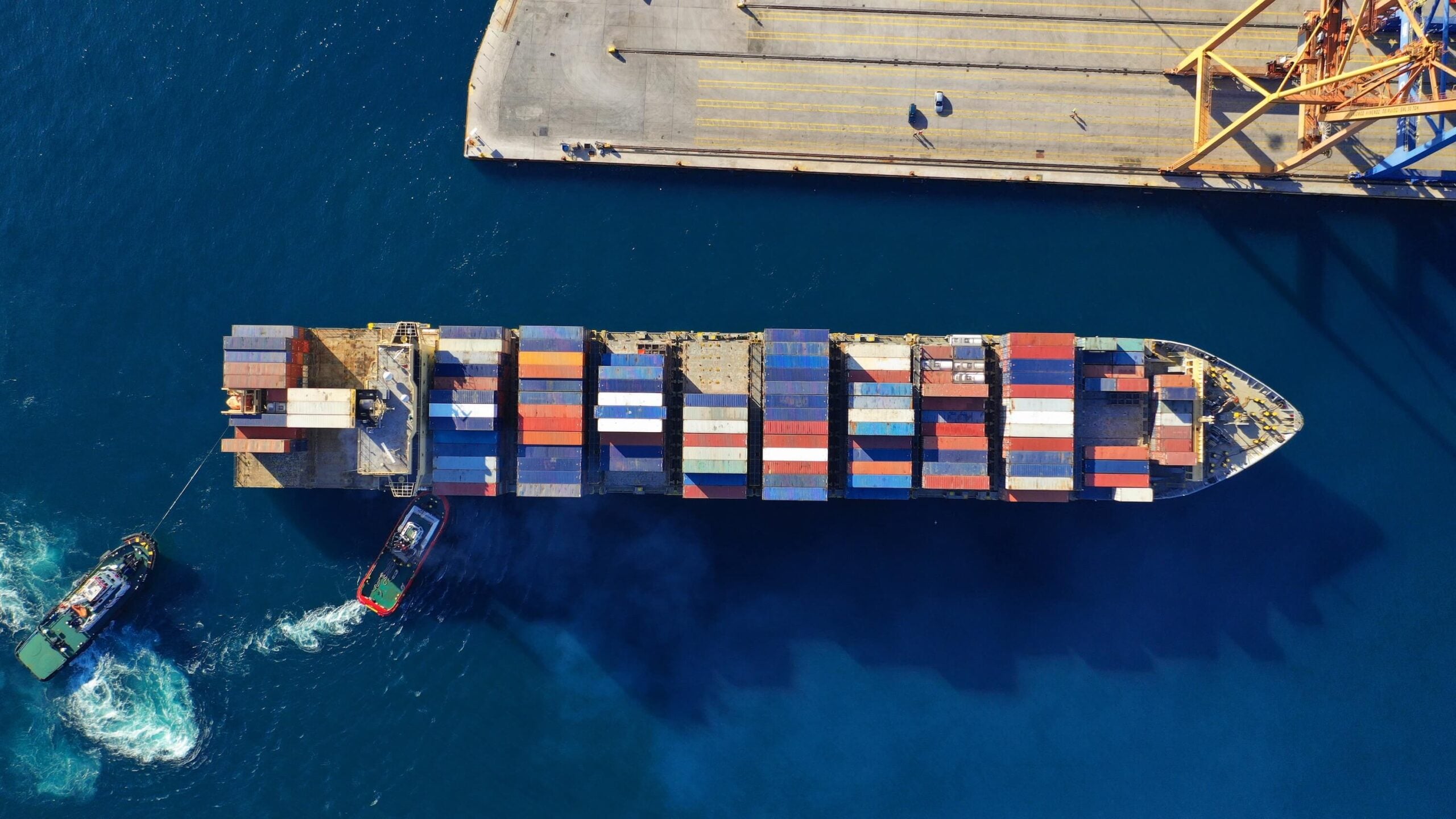
A ship agent’s job starts before the vessel even arrives. They send arrival notices, coordinate with port authorities, schedule services like tugboats and pilots, and handle immigration and customs paperwork for the crew. Once the vessel is docked, they continue working behind the scenes to manage discharge or loading operations, arrange supplies, make sure crew transfers happen seamlessly, and deal with unexpected problems like delays or weather issues.
Because vessel agents are in constant contact with port authorities, customs officials, service providers, and the ship’s master, they need to be experts at coordination and quick decision-making. Their job is demanding, and it’s a role that requires both operational knowledge and local expertise.
In short, vessel agents make sure the ship gets in, gets what it needs, and gets out as efficiently as possible.
In practice, this means being involved in:
- Preparing for arrival and departure
- Submitting regulatory documents
- Coordinating tugboats, pilots, and mooring teams
- Ensuring port fees and charges are settled
- Responding quickly to changing port schedules or emergencies
The shipping agent is often the first point of contact for everything happening around the vessel at port. Without them, a ship would be adrift in bureaucracy.
What Is a Carrier Agent?
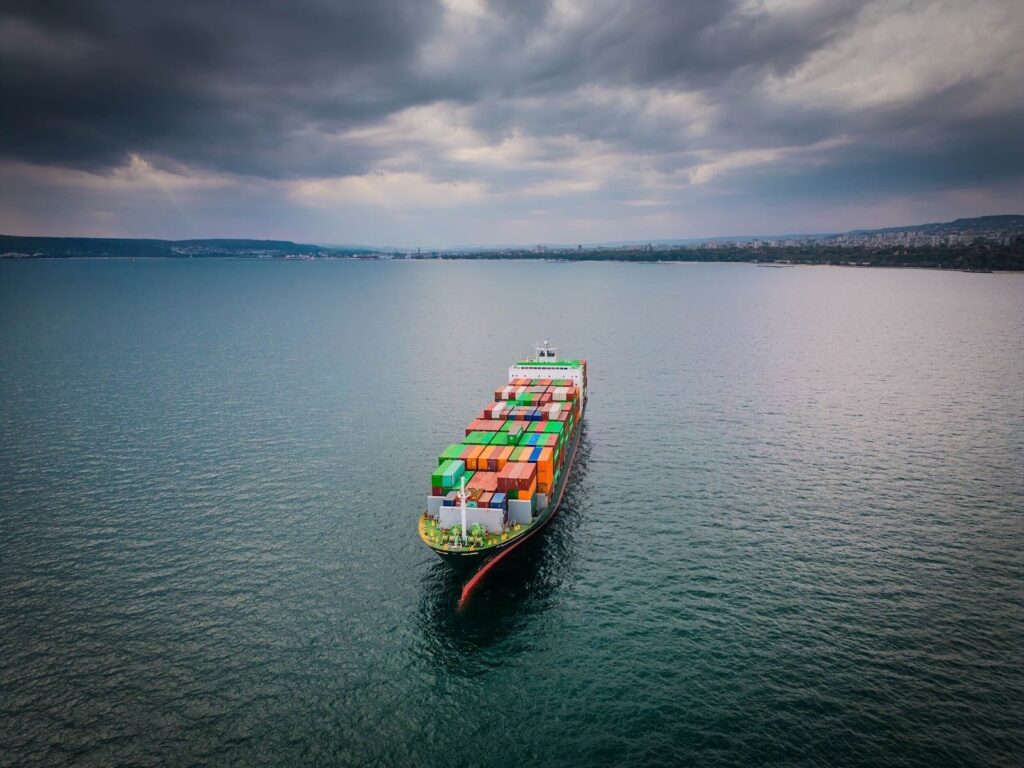
Carrier agents represent the cargo interests tied to a port call. They typically work on behalf of shipping lines, NVOCCs, or logistics providers. Their primary focus is making sure the cargo is documented correctly, released efficiently, and communicated clearly to everyone expecting it.
Unlike the vessel agent, who is tied to the physical ship, the carrier agent is connected to the cargo that ship is transporting. They deal with documentation, customer inquiries, and the movement of goods in and out of the terminal.
Some of their daily tasks include:
- Issuing or receiving bills of lading
- Coordinating cargo operation releases
- Handling customs filings and compliance
- Communicating with consignees and shippers
- Updating tracking systems and sending status reports
Carrier agents often work closely with freight forwarders, customs brokers, and third-party logistics teams. They’re constantly exchanging data and documents to keep everything moving. When a container is flagged for inspection or missing a form, the carrier agent is the one who gets the call and has to solve the problem.
They operate at the intersection of customer service, logistics planning, and regulatory compliance. While they don’t typically deal with the vessel itself, their role is just as critical to successful port operations.
What About Owners’ and Charterers’ Agents?
Some port calls involve agents who work directly for the vessel owner or the charterer. These are called owners’ agents or charterers’ agents. They are assigned to represent the specific interests of their client but are not responsible for the cargo or the full port call process. An owner’s agent might arrange for spare parts or manage a crew change. A charterer’s agent might coordinate fuel delivery or oversee inspections related to their charter agreement.
During a single port call, there may be multiple parties involved. The vessel owner, the charterer, and the vessel manager may each have their own crew members, requests, and operational needs. Some may choose to use the same agent for simplicity. Others will appoint different agents, depending on the charter agreement and who is responsible for what. The breakdown of responsibilities typically follows the terms agreed to in the charter party.
Key Differences at a Glance
To clarify the difference between a vessel agent and a carrier agent, let’s look at the side-by-side comparison below:
| Area | Vessel Agent | Carrier Agent |
| Represents | Vessel owner or operator | Cargo owner, carrier, or NVOCC |
| Main Focus | The vessel and port services | The cargo and documentation |
| Communication With | Port, customs, pilots, ship master | Shippers, consignees, brokers, terminals |
| Common Tasks | Clearance, pilotage, crew needs, berth coordination | Bills of lading, cargo release, tracking, customer service |
| Time Sensitivity | Port stay and operations | Cargo flow and delivery deadlines |
One is there for the ship. The other is there for the cargo. Both are essential for a successful port call, but they serve different masters and manage different priorities.
How These Roles Work Together

Although they have different areas of responsibility, vessel agents and carrier agents are often in contact during port calls. Their collaboration keeps things running smoothly.
For example, if a vessel arrives early or late, the vessel agent needs to communicate that to the carrier agent so cargo pickup appointments or drayage arrangements can be adjusted. If the carrier agent receives updated instructions from a consignee, the vessel agent may need to pass that information to the terminal or coordinate with stevedores.
Some shared activities include sharing vessel ETAs and departure times, coordinating container discharge timing, supporting customs inspections and managing urgent deliveries or restricted cargo.
By keeping each other informed, they reduce the risk of delays and miscommunication. It also improves the experience for principals, clients, and service providers. The port is a busy place. When vessel agents and carrier agents cooperate, it makes things easier for everyone.
When Things Get Confused (and What Can Go Wrong)

Problems happen when roles are misunderstood. Unfortunately, it’s not uncommon for principals, vendors, or even clients to assume the wrong person is responsible for a particular task.
Consider a scenario where a principal thinks the vessel agent is handling the container release process, only to find out that no customs filing was submitted. Or when a carrier agent assumes someone else arranged berth scheduling, and the vessel is held outside port due to missed deadlines.
Misunderstandings like this can result in missed cutoffs for customs submissions, incorrect billing or duplicate charges, delays in cargo release or terminal access, and frustrated customers and strained vendor relationships.
Clarifying responsibilities at the start of every port call, and documenting those expectations, helps avoid these issues. Everyone involved should know what to expect and who to contact for specific tasks. Good documentation is a key part of any operational strategy.
How Base Supports Both Types of Agents
Base is designed to support the full lifecycle of a port call job. That means giving both vessel agents and carrier agents the tools they need to manage requests, track communications, and stay accountable.
For vessel agents, Base enables:
- Creating structured service requests by vessel or job
- Coordinating with terminals, pilots, and suppliers
- Attaching documents and approvals to each milestone
- Monitoring cost approvals and generating invoices
- Managing relationships with port authorities and vendors
For carrier agents, Base enables:
- Storing and sharing bill of lading templates
- Keeping communication threads tied to specific jobs
- Tracking all files, notes, and customer interactions
- Connecting shipping documentation with accounting workflows
- Organizing client-specific processes across multiple projects
What makes Base helpful is that it brings everything into one centralized workspace. No more guessing who sent what or where to find the latest version of a document. Every file, note, and cost record stays attached to the job where it belongs.
Conclusion on Vessel Agents vs Carrier Agents

Knowing the difference between a vessel agent and a carrier agent helps avoid miscommunication and confusion. Both roles are essential in port logistics.
Vessel agents take care of vessel-related services, including clearance, berthing, and crew needs. Carrier agents focus on the movement and documentation of cargo. When both sides work together, port calls go more smoothly, cargo gets delivered faster, and clients stay informed.
Whether you’re a seasoned agent or just starting out in maritime logistics, understanding these roles improves communication and builds trust with your partners. With Base, you can make sure those responsibilities are clearly documented, tracked, and carried out, job after job.
If you want more visibility and structure in your port operations, it may be time to see what Base can do for your team.
Key Takeaways
- Vessel agents are responsible for the ship and everything it needs during a port call—clearances, crew changes, pilotage, and communication with local authorities.
- Carrier agents are responsible for the cargo, including managing documents, coordinating releases, answering customer questions, and making sure shipments move as planned.
- These two roles operate in the same port environment but have different goals, tasks, and stakeholders.
- Confusing their responsibilities can lead to costly mistakes, such as missed inspections, delayed cargo, or duplicate charges.
- Good communication between vessel and carrier agents is essential to ensure port calls run smoothly and efficiently.
- Base provides purpose-built tools for both types of agents, helping teams stay organized, accountable, and responsive.
Frequently Asked Questions
What’s the easiest way to remember the difference between vessel and carrier agents?
Vessel agents take care of everything related to the ship. Carrier agents are focused on the cargo and paperwork. When a vessel completes its time in port without issues, it usually means each role handled their responsibilities properly.
Can one company act as both the vessel agent and the carrier agent?
Yes, some companies offer both services. Even in those cases, the duties are usually divided between separate teams. For instance, escorting maintenance specialists to the vessel would fall under the vessel agent’s scope, not the carrier agent’s.
Who pays for the services of vessel and carrier agents?
The vessel agent is typically paid by the ship owner or operator. The carrier agent is often paid through freight charges or cargo handling fees. Having clear in port arrangements helps prevent confusion and supports saving money through accurate billing.
What happens if vessel and carrier agents don’t coordinate?
If coordination breaks down, delays and errors can follow. Imagine a situation where the vessel berths but the cargo paperwork isn’t ready. The carrier agent would need to ensure customs documentation is submitted quickly to keep cargo moving.
How does Base help with visibility and accountability?
Base keeps vessel and cargo workflows organized in one system. From job tracking to document storage, teams can carry out operations promptly and communicate clearly, reducing errors and improving overall performance.