A General Average declaration can turn a difficult port call into a long, paperwork-heavy claims process.
One minute the focus is on getting the vessel safe, cargo accounted for, and stakeholders informed. The next minute, agents are helping manage cargo holds, deposits, lien releases, surveyors, adjusters, principals, insurers, and cargo interests who all want clear answers fast.
In this blog, we will explore what a General Average port call means in plain terms, when cargo sacrifice can trigger it, and what vessel agents should do to protect cargo and stakeholders during the port call.
What You Need to Know about General Average
The principle itself is old maritime law. Under the York-Antwerp Rules 2016, a General Average act exists when an extraordinary sacrifice or expense is intentionally and reasonably made for the common safety of the property involved in the maritime adventure.
In plain English, when part of the cargo, vessel, or money is sacrificed to save the whole venture, the saved interests may have to share the cost.
Definition of Sacrifice
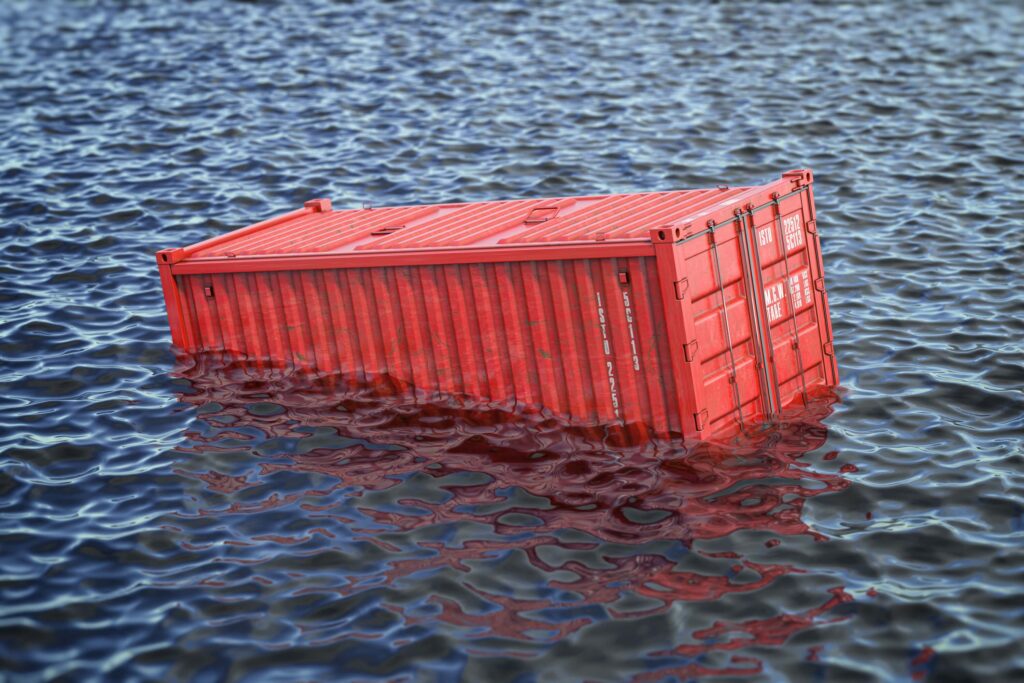
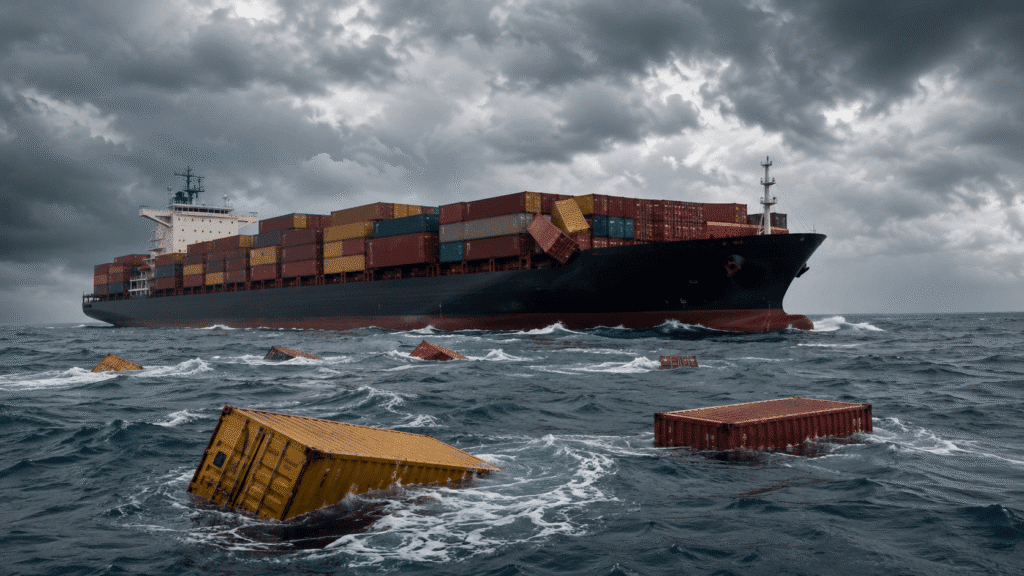
In General Average, “sacrifice” means a deliberate loss or damage made for the common safety of the vessel, cargo, and voyage. The classic example is cargo thrown overboard to lighten a vessel in distress, though modern cases can involve firefighting damage, cargo damaged during emergency response, vessel gear used up during salvage, or extraordinary expenses paid to preserve the common venture.
The key point is intent. Damage that simply happens during a voyage is usually handled through other claims routes. A General Average sacrifice has to be made on purpose, under a real peril, and for the shared benefit of the property at risk.
That distinction matters at the port level because cargo owners will often ask why their cargo is being held when their containers were not damaged. The answer is that General Average spreads certain extraordinary losses across the saved interests, so the cargo that arrived safely may still be tied to the security process.
When it Happens
General Average is usually declared after a major incident that threatens the vessel and cargo together. Common triggers include fire, grounding, collision, engine breakdown in dangerous conditions, emergency towage, salvage operations, jettison of cargo, or major port-of-refuge costs.
The declaration often comes from the shipowner, usually with advice from lawyers, insurers, P&I representatives, and appointed average adjusters. Once that happens, the agent’s working day changes quickly. Cargo release may depend on General Average bonds, insurer guarantees, cash deposits, cargo valuations, survey access, and instructions from the adjuster.
This is also where vessel agents need a clean operating record. If cargo interests, principals, or insurers challenge what happened, a job timeline with timestamped notices, cargo status, surveyor attendance, and release approvals can save hours of reconstruction. This is one reason agent teams should treat General Average as part of the broader risk picture around ship agent liability, even when the casualty decision sits above the local agency office.
How Long Do General Average Claims Take
General Average can last far longer than the port call itself. The vessel may leave, cargo may move, and the local agent may close the operational file, while the claims and adjustment process continues for months or longer.
The average adjuster has to collect values, review allowable expenses, examine the facts, calculate contributions, and issue the final adjustment. CMI guidance describes the average adjuster as the independent professional who assesses allowable expenses and divides the General Average amount according to the value of the saved property, with final adjustment often taking time after the voyage ends.
At the port level, this longer timeline creates a simple rule: keep the file clean from day one. Cargo release status, bonds, guarantees, deposits, survey reports, photos, notices, bills of lading, delivery orders, and correspondence should be easy to find later. A messy file may feel manageable during the rush, then become a problem when someone asks for proof six months down the line.
Rule Reference
The main rule reference is usually the York-Antwerp Rules, especially Rule A. Rule A says there is a General Average act when an extraordinary sacrifice or expenditure is intentionally and reasonably made or incurred for the common safety, for the purpose of preserving from peril the property involved in a common maritime adventure.
That wording gives agents a practical checklist. Was there common peril? Was the act intentional? Was it reasonable? Was it for the common safety? Did it preserve the vessel and cargo venture?
Agents are not expected to act as average adjusters or maritime lawyers. Still, knowing the rule’s basic shape helps you communicate clearly with terminals, cargo interests, customs brokers, principals, and local vendors. It also keeps the team from making casual statements that later get treated as admissions, promises, or release instructions.
The working takeaway is simple: General Average is a shared-loss system tied to a common maritime risk, and your job is to help preserve the record, protect the shipowner’s security position, and keep cargo movement controlled until the right releases are in place.
6 Key Responsibilities for Vessel Agents Handling General Average
Once General Average is declared, the vessel agent becomes a traffic controller for information, people, cargo, and proof. You may be taking instructions from the owner, P&I club, adjuster, principal, local counsel, terminal, surveyors, and cargo representatives, sometimes within the same hour.
This section breaks the work into practical responsibilities. The goal is to keep the cargo secure, protect release controls, keep communications consistent, and give every party the information they need without turning the agent’s inbox into the only record of truth.
1. Immediate Action & Notification
The first job is to confirm instructions and identify who has authority. Before sending broad messages, agents should know who declared General Average, who appointed the average adjuster, who represents the owner locally, and what release terms apply.
Notifications usually need to reach terminals, customs brokers, cargo receivers, surveyors, port authorities where applicable, insurers, and principals. The tone should be calm and factual. Avoid guessing about contribution amounts, timing, liability, or whether cargo will be released by a certain date.
A strong first notice should explain that General Average has been declared, cargo release may require security, further instructions will follow from the appointed adjuster or authorized party, and documentation should be preserved. For agents handling many vessels or offices, a shared system for multiple port calls helps avoid the classic problem where one team member has the latest release list and another is working from yesterday’s spreadsheet.
2. Secure Cargo Liens
A cargo lien gives the shipowner leverage to obtain General Average security before releasing cargo. In practice, that means the agent may be instructed to prevent cargo delivery until the required bond, guarantee, or deposit is received and confirmed.
This is one of the highest-pressure parts of the call. Cargo interests may be angry because their goods are physically available, the receiver is waiting, and the trucker is already at the gate. The agent has to hold the line without making the situation worse.
The safest approach is to work from written release instructions. No release should happen because someone sounded confident on the phone. If the adjuster, owner, or authorized party has a cargo release list, the agent should track it carefully and make sure the terminal or warehouse is aligned with the same list.
3. Coordinate with Average Adjusters
Average adjusters sit at the center of the General Average process. They collect security, review claims, assess allowable expenses, calculate contributions, and give instructions on cargo release status.
For the agent, coordination with the adjuster often means sending:
- Cargo manifests
- Bills of lading
- Consignee contacts
- Cargo values, if available
- Discharge plans
- Terminal details
- Local delivery procedures
ITIC notes that average adjusters may create a central database to record security received and cargo authorized for release, with agents often asked to report regularly.
This is where the agent’s information hygiene really shows. Cargo data should be consistent across manifests, release lists, terminal records, and stakeholder messages. If names, container numbers, marks, quantities, or BL references drift across documents, the release process gets slower and the risk of wrong release rises.
4. Manage Cargo Security Deposits
Cargo security may come in several forms. Insured cargo often moves under a General Average bond from the cargo owner and a General Average guarantee from the cargo insurer. Uninsured cargo may require a cash deposit before release, and that deposit may be held pending the final adjustment.
Agents may be asked to receive proof of payment, verify deposit status, transmit banking instructions, or update release records once security is confirmed. This work has to be handled carefully because money movement, fraud risk, and release authority are all tied together.
No one on the local team should send payment instructions casually or change banking details without a controlled verification process. If funds are involved, keep instructions in writing, validate the sender, preserve the message chain, and avoid mixing deposit records into normal port disbursement chatter.
This also connects to the broader finance side of agency work. Clean AP, AR, PDA, FDA, and claim-related records give agents a much better footing when finance, owners, or insurers ask what was received, what was pending, and who approved release. That is where modern port agency software can support a cleaner operational and financial trail.
5. Surveyor Coordination
Surveyors may be needed to inspect damaged cargo, assess the vessel, verify casualty-related conditions, attend discharge, or document cargo handling. The agent may need to arrange access, coordinate terminal appointments, share safety requirements, and keep survey timing aligned with cargo operations.
Survey coordination sounds basic until several parties appoint their own surveyors. The owner, cargo insurers, hull interests, P&I club, terminal, and receivers may all want attendance or reports. A local agent can quickly end up managing a crowd of people who each believe their inspection is urgent.
The best approach is to keep one controlled schedule. Record who requested attendance, who approved access, when they attended, what they inspected, and what documents or photos they produced. If surveyors are delayed or denied access due to port rules, terminal safety rules, or customs holds, document that too.
6. Documentation
Documentation is the agent’s best defense during General Average. The file should be built as if someone outside the operation will need to understand the call long after the vessel sailed.
Clean documentation is also part of a wider maritime compliance mindset: if the record is scattered, the team may struggle to answer basic questions when insurers, principals, or legal teams ask for proof.
At a minimum, preserve the following:
- General Average declaration notice
- Adjuster instructions
- Cargo manifests
- Bills of lading
- Terminal correspondence
- Release lists
- Security confirmations
- Deposit confirmations
- Survey reports
- Photos
- Delivery orders
- Customs communications
- Stakeholder notices
The Statement of Facts should be consistent with the operational timeline, especially around casualty response, arrival, berthing, discharge, survey attendance, cargo holds, and releases.
Agents should also review the underlying contracts and carriage documents because General Average wording often ties back to bills of lading, charter terms, and incorporated rules. If the team needs a refresher on the commercial context, Base’s guide to the charterparty agreement is a useful related read.
The final handoff should be easy for someone else to follow. If the file depends on one person remembering which email mattered, the agency is carrying needless risk. A clean, timestamped record protects the agent, helps the adjuster, and gives principals confidence that the local handling was controlled.
General Average is stressful because it pulls legal, commercial, operational, and financial work into the same port call. Agents do not need to solve every claims question, but they do need to keep the local process tight. The best teams know where authority sits, keep cargo release controlled, and maintain records that can stand up later.
Conclusion on General Average Port Call
General Average is one of those maritime events where everyone feels the pressure at once. Cargo interests want release, owners want security, insurers want proof, surveyors need access, terminals need clear instructions, and principals want to know the call is being handled properly.
For vessel agents, the job is to bring order to that pressure. Confirm authority, notify the right parties, hold cargo until release is authorized, coordinate with the average adjuster, track deposits and guarantees, manage survey attendance, and preserve every document that may matter later.
Base gives agents a cleaner way to manage that kind of port call record. When notices, release lists, deposits, guarantees, survey updates, cargo documents, and stakeholder messages are tied to the job timeline, the team can work from one live record instead of piecing the story together from inbox threads after the fact.
The agents who handle General Average well are rarely the loudest people in the room. They are the ones with the cleanest record, the clearest release list, the best-controlled communication, and the least drama when someone asks, “Can you show me exactly what happened?”
Key Takeaways
- General Average is declared when an extraordinary sacrifice or expense is intentionally and reasonably made for the common safety of the vessel and cargo venture.
- Cargo that arrives safely may still be held until the right security is provided, because General Average contributions are shared across saved interests.
- The average adjuster plays a central role in collecting information, managing security records, and preparing the final adjustment.
- Vessel agents should avoid informal cargo release decisions and work from written authority, verified security status, and current release lists.
- Deposits, bonds, guarantees, survey reports, cargo manifests, and stakeholder notices should be preserved in one clean record.
- The port call may end long before the General Average process closes, so documentation quality matters months after the vessel sails.
Frequently Asked Questions
Who declares General Average?
General Average is usually declared by the ship owners, often after advice from counsel, P&I representatives, and an insurance company. The ocean carrier or owner’s team then gives local instructions to the agent, average adjuster, terminal, and other parties involved.
What makes an event qualify as General Average?
Understanding general average starts with the idea that there must be an initial incident involving imminent peril to the ship and cargo venture. General average requires a reasonable, intentional, and voluntary sacrifice or expense made to protect the voyage from a bigger loss.
What is a cargo sacrifice?
A cargo sacrifice can happen when goods are intentionally damaged, used, or tossed overboard to protect the vessel and remaining cargo. The classic example is jettison during heavy weather at sea, though damaged goods from firefighting or emergency handling may also raise General Average questions.
Does General Average apply if my cargo landed safely?
Yes. Even if cargo landed safely, the cargo interest may still need to contribute because the process is based on shared responsibility across saved property. That can surprise cargo receivers, especially when their own containers look untouched.
What documents control General Average?
General Average is often addressed through shipping contracts, bills of lading, charter terms, and incorporated rules. A general average clause, jason clause, or new jason clause may affect how claims are handled, especially where us law is relevant.
What is Rule D?
Rule D says contribution to General Average is still due even when the event may have been caused by fault, though that does not block later rights or defenses between parties. In plain English, the parties may still need to pay first and argue fault later to avoid quarreling during cargo release.
Who calculates the contribution?
The average adjuster reviews the casualty, cargo values, allowed expenses, and the total value of the saved property. The adjuster will determine each party’s percentage and the portion owed for the General Average adjustment.