In port logistics and chartering, laycan is one of the terms you hear constantly, especially when timing starts to slip. It’s listed in fixture recaps, shows up in charter parties, and often comes up in stressful moments when a vessel’s ETA is cutting it close.
If you’re a ship agent or operator, or a vessel agent working in the field, understanding how laycan works can help you avoid issues with cancelled fixtures, delayed cargo, and frustrated clients. This guide explains what laycan means, how it’s used in contracts, and how to manage it more effectively in day-to-day port operations.
What Does Laycan Mean in Shipping?
Laycan is short for “laydays and canceling date.” It defines the window of time when a vessel must arrive at the loading port. These dates are set out in a charter party, which is the formal agreement between a shipowner and a charterer for the use of a vessel. The charter party outlines all the key terms of the voyage or time-based hire, including the cargo, ports, freight rate, and timing expectations. Specifically, the charter party defines:
- Laydays: The earliest date the vessel is allowed to arrive and give Notice of Readiness (NOR)
- Cancelling date: The latest date and final date the vessel can arrive before the charterer has the right to cancel the agreement
For example, a laycan of August 10–15 means the ship can tender NOR beginning August 10. If it arrives on August 16, the charterer may cancel the fixture. This timing is agreed in advance and becomes a key part of how both parties coordinate the voyage. It gives structure to port call planning and helps prevent costly misunderstandings.
How Laycan Affects Charter Party Agreements

Laycan is a scheduling commitment. The charterer expects the vessel to be ready within this time frame. If the ship arrives late, the charterer can cancel the contract, even if the delay wasn’t the vessel’s fault. In most voyage or time charter contracts, laycan functions as a protection mechanism. For the charterer, it ensures cargo readiness won’t be held up by a late-arriving vessel.
For the shipowner, it provides a window for performance that must be met. If you’re also trying to manage related clauses like laytime, this scheduling window can affect when crews can start loading or discharging, and when charges like demurrage might apply.
Getting laycan timing right helps keep the entire charter agreement running smoothly.
What If the Vessel Misses Laycan?
If the ship arrives after the canceling date, the charterer can cancel the fixture. That’s a standard right in most charter parties. In practice, the charterer might proceed anyway and negotiate revised terms, but that depends on the situation.
If the ship arrives before laydays begin, it may have to wait at anchorage before it can tender NOR. Laytime won’t start until the valid window opens, and this idle time may not be compensated. Detention can also become a factor, especially when cargo handling is delayed or containers aren’t returned on time. You can learn more about the difference here: demurrage vs. detention.
Either way, being outside the laycan window causes uncertainty. That’s why strong recordkeeping matters.
Common Laycan Challenges for Ship Agents
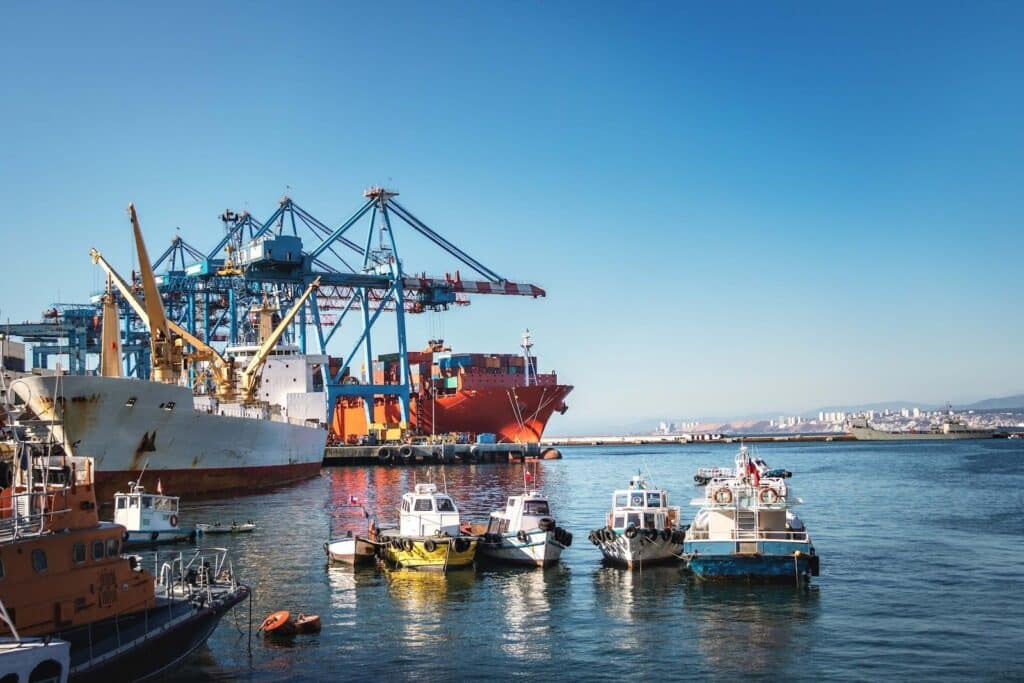
Managing laycan requires coordination across time zones, with teams and third parties often moving on different timelines. Vessel agents are typically at the center of it all, relaying updates, troubleshooting issues, and trying to keep operations aligned.
Even with solid planning, real-world issues can still disrupt the schedule. Here are some of the common problems that can affect laycan timing:
Port congestion
A vessel may reach the port but be delayed from entering the berth due to heavy traffic at the terminal. If the port is backed up, berthing windows can shift by hours or days, which creates issues when the cancelling date is close and there’s no margin left. Weather delays Storms, fog, or rough seas can impact navigation and slow the vessel’s progress. Some regions face seasonal weather shifts that can unexpectedly delay a vessel’s ETA by a day or more. In these cases, direct updates from the vessel become essential for staying on track.
Unfinished paperwork
Delays in submitting customs documents, berth requests, or port formalities can prevent a vessel from tendering a valid Notice of Readiness, even if it’s already anchored. These are often avoidable problems that come down to timing and preparation.
Cargo not ready
A vessel can arrive on time but still face delays if the cargo isn’t ready to load. Late trucking, slow terminal operations, or warehouse issues can prevent loading from starting. In these cases, the vessel is ready, but the port isn’t. These types of port-side slowdowns can sometimes result in additional charges, such as a terminal handling charge, depending on how long the delay lasts and how the terminal bills cargo movements.
Poor communication between stakeholders
Late updates or missing details often lead to confusion. A missed ETA adjustment or unclear NOR submission can cause unnecessary delays or even disputes. Regular check-ins and shared tracking help everyone stay informed. It’s common for multiple challenges to show up at the same time. Paperwork delays, changing weather conditions, and berth availability issues often overlap during a port call. With several jobs active at once, agents benefit from tools that provide visibility and support timely decisions.
None of these challenges unusual when it comes to maritime shipping, but they can all lead to missed laycan if not managed proactively. Next, we’ll look at ways that you can stay ahead of these kinds of deadlines.
How to Stay Ahead of Laycan Deadlines

Staying ahead of laycan issues often comes down to early preparation and keeping the right people informed. When agents and stakeholders share timely updates and clear expectations, it becomes easier to avoid last-minute surprises or fixture cancellations.
Here are some practical ways vessel agents and operations teams keep things on track:
1. Keep ETA updates current
AIS tools help track a vessel’s location and speed, but they don’t always tell the full story. Delays caused by weather, routing changes, or port congestion might not be reflected right away. Regular check-ins with the vessel’s captain or the owner’s ops team can help you spot problems sooner. Keep a running ETA log. It helps provide context and can be useful in resolving disputes later.
2. Prepare port documents early
Delays in customs forms, berth requests, or clearance paperwork can prevent a vessel from tendering a valid Notice of Readiness, even if it arrives on time. Submitting paperwork early gives you time to correct any missing or inaccurate items. Some agents build internal checklists or use Base workflows to track which documents are complete and which are still pending. That small step can help avoid hours of delay on arrival.
3. Communicate across all parties
Flagging a delay early allows the team to adjust plans or respond proactively. Charterers and owners want to know if there’s a chance of a late arrival, especially when the canceling date is near. These conversations help maintain trust and give others time to adjust their own schedules or cargo arrangements.
4. Use job-level tracking tools
Managing the laycan period with spreadsheets or scattered emails increases the chance something gets missed. With Base, you can assign laycan start and end dates to each job. These milestones show up in dashboards, and you can link them to ETAs, documents, and key messages. With Base, your team has quick access to key laycan details without searching through email threads. It’s easier to see which fixtures are at risk and take action before things fall behind.
Having clear systems in place makes it easier to manage timing and communication throughout each port call. When your team can track laycan milestones, monitor ETAs, and stay ahead of paperwork, you’re in a better position to avoid delays. Even when schedules shift or unexpected issues come up, consistent routines and reliable tools help keep things on track.
How Base Helps Teams Manage Laycan
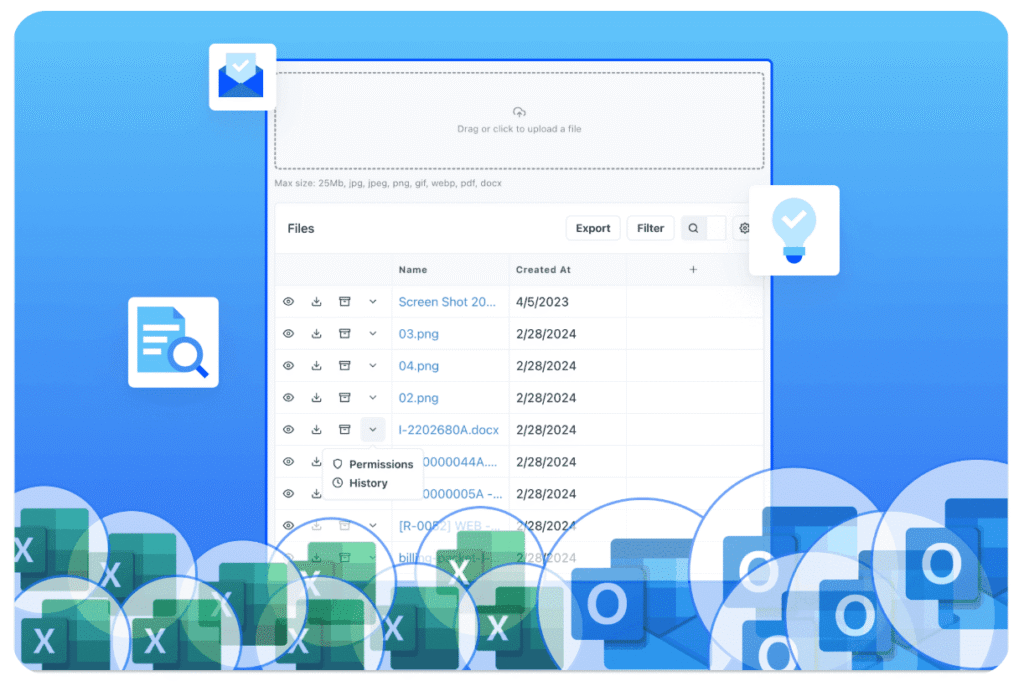
Tracking laycan dates in email threads or spreadsheets makes it easy to lose key details, especially across multiple active port calls. A missed update or forgotten deadline can lead to rejected NORs, rescheduled cargo, or cancelled fixtures.
Base gives vessel agents and operations teams a reliable way to manage laycan as part of every job. With everything in one place, your team can stay aligned and act quickly when things change.
In Base, you can:
- Add laycan start and end dates to every job
- Monitor those dates with dashboards and filters
- Attach vessel ETAs and updates to the job record
- Track NOR, berth requests, and approvals in one place
Everyone involved in the port call can access up-to-date information in one place. This makes it easier to spot potential issues, coordinate responses, and avoid communication gaps.
Base supports laycan tracking as part of each job, alongside other port call activities like invoicing, status changes, and document management. Clear visibility into key dates helps prevent missed deadlines and delay-related charges.
For more ways to avoid extra charges, check out our guide on port charges.
Final Thoughts on Laycan
Laycan plays a central role in how charter parties operate and how vessels stay on schedule at the port. When a vessel arrives outside the agreed window, it can lead to rejected fixtures, financial penalties, or delays that disrupt downstream operations.
For ship agents and chartering teams, tracking laycan accurately is a practical way to keep cargo moving and relationships intact. Clear timelines and strong communication help prevent confusion, and a shared system makes it easier for teams to coordinate under pressure.
Base helps port and chartering teams manage laycan using structured workflows, milestone tracking, and real-time visibility. Instead of relying on spreadsheets or chasing down updates across email threads, your team has the tools to manage port calls with clarity and control. Contact us today to learn more.
Frequently Asked Questions
What is an example of a laycan?
In ship chartering, a typical example of a laycan might be a date range like August 12–August 17, meaning the vessel must arrive at the loading port within that window. If the vessel’s arrival falls after the cancellation date, the charterer has the right to cancel the fixture.
What is laycan and laytime?
In the shipping industry, this specific period, known as laycan, is the agreed window for the vessel to arrive and be ready to start cargo operations. Laytime begins once a valid Notice of Readiness is tendered and refers to the amount of time allowed to load or discharge cargo before charges like demurrage apply.
What is the laycan in a contract?
In a charter party agreement, the laycan defines the date range during which the vessel must arrive at the port. It sets expectations for both parties in ship chartering and helps avoid disputes. Arriving before the laycan starts may delay the Notice of Readiness, and arriving after the cancellation date gives the charterer the option to cancel the agreement.
What Does Laycan Mean?
Laycan meaning in shipping refers to the Laydays/Cancelling Date window in a charter party agreement. It defines the earliest date the vessel can begin loading (the laydays) and the latest date the charterer can cancel the contract if the vessel has not arrived (the cancelling date). For example, a laycan of “April 10–15” means the vessel must be ready to load no earlier than April 10 and no later than April 15, or the charterer may walk away.
The laycan period protects both parties: the charterer is not forced to wait indefinitely for a vessel, and the shipowner has a defined arrival window to plan the voyage. In practice, vessel agents monitor the laycan window closely because a missed cancelling date can mean lost revenue and reputational damage with the principal.