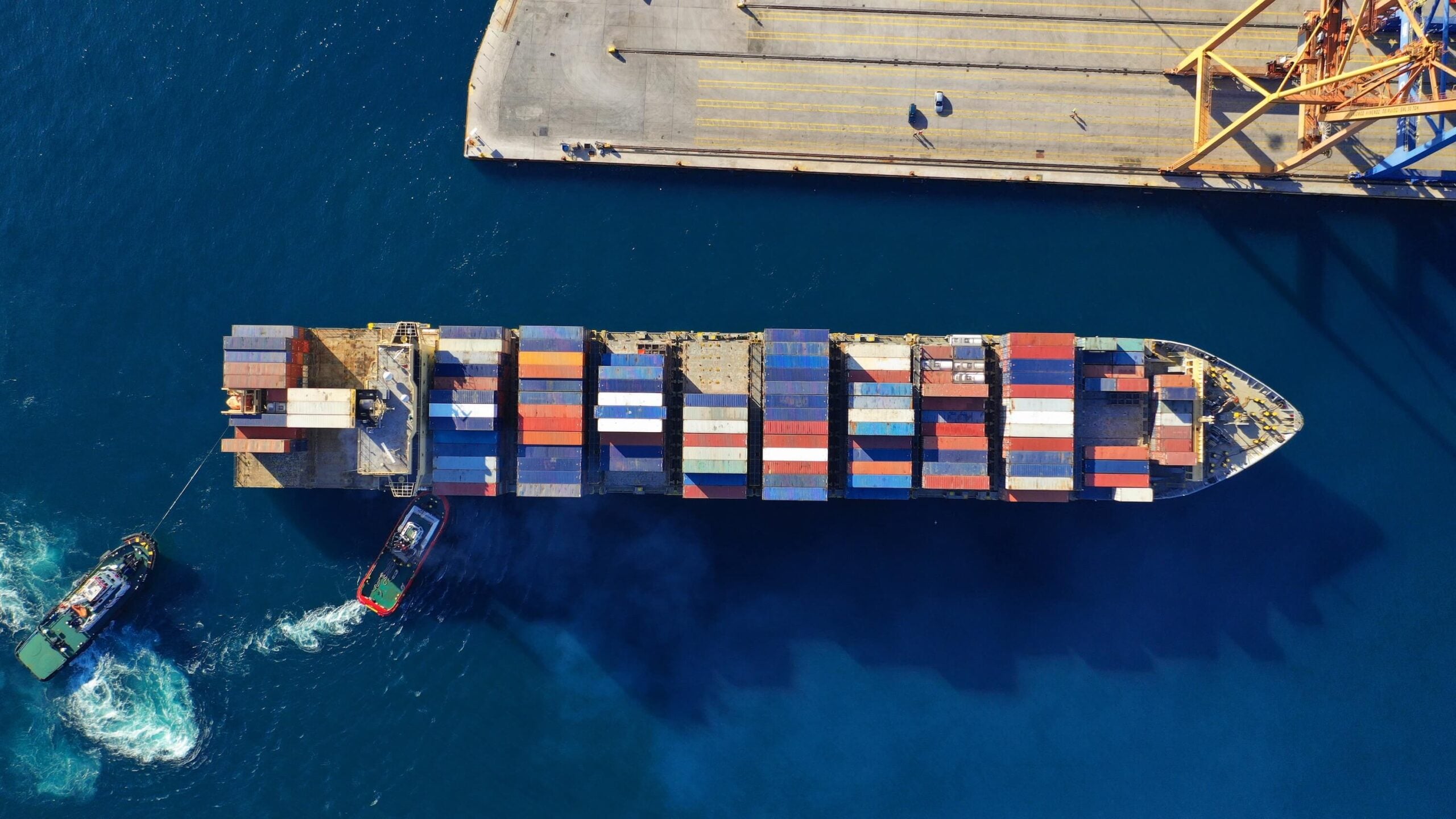
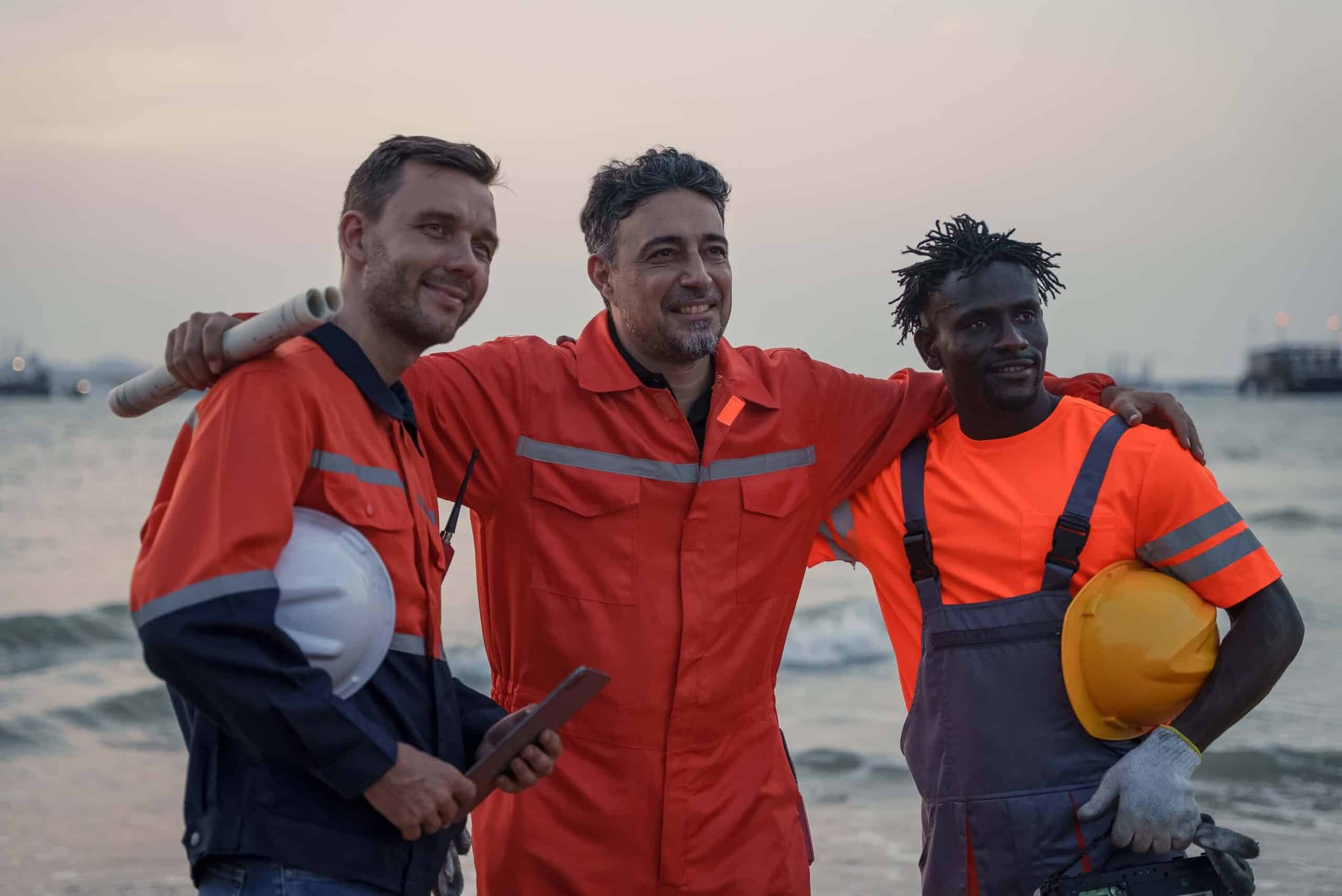
There’s a certain look agents get when someone says, “It’s a pretty standard call.”
You don’t roll your eyes. You don’t argue. You just nod, because experience has taught you that standard is usually the first thing to disappear.
The thing is, people outside vessel agency sometimes assume port calls are repetitive. Same vessels, same terminals, same services. Agents know that is only true in the loosest possible sense. The work looks familiar, but the conditions never line up the same way twice.
That is why customization matters so much in this job. Not in a flashy way. In a practical, everyday sense. Agents are constantly adjusting timelines, documentation, vendors, and communication styles to fit what is happening on the ground, all while keeping the call under control.
This blog takes a look at customized port calls through the lens of real agency work, why standard processes struggle once a vessel is in motion, and how experienced agents adapt on the ground to keep calls moving without losing control.
Let’s get to it!
Why Generic Processes Do Not Work for Port Calls
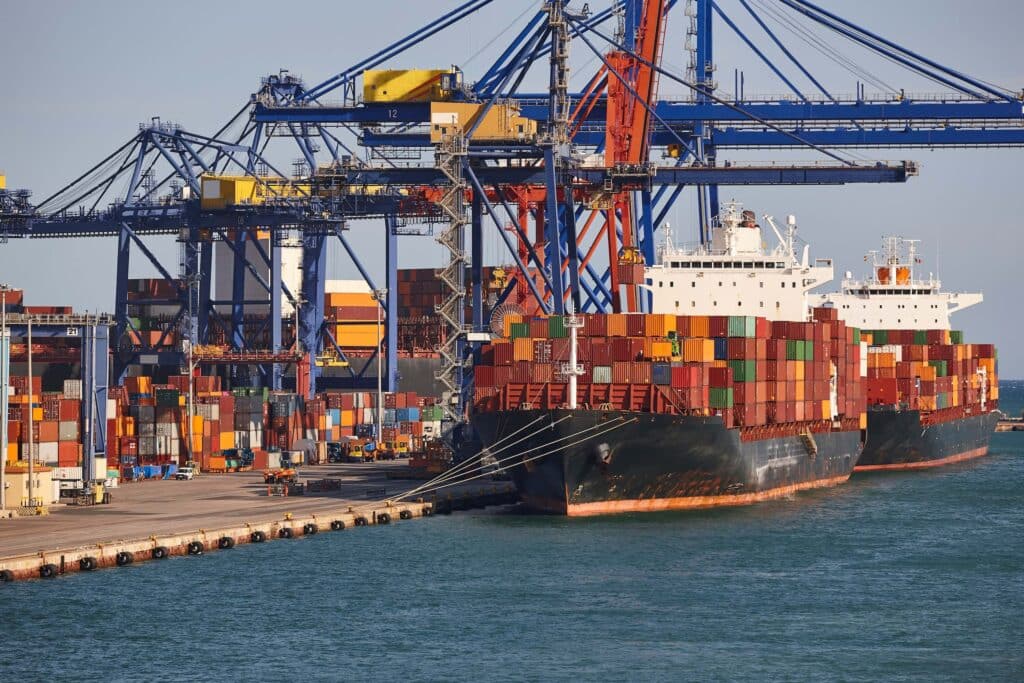
Generic processes are built for environments where the work stays roughly the same from one execution to the next. They assume that inputs arrive in a predictable order, that tasks follow a clean sequence, and that changes are the exception rather than the rule.
Port calls rarely meet those assumptions.
The core issue is that port calls are not events, but rather they are moving situations.
Conditions change while the work is already underway. Decisions made early in the call are revisited. Information that seemed settled gets reinterpreted. A process that expects the call to move forward in a straight line quickly falls out of sync.
Standard processes also tend to separate planning from execution. In port calls, those two things happen at the same time. Agents are planning the next step while adjusting the current one. A fixed process expects clarity before action. Port calls require action before clarity fully exists.
Another mismatch comes from how generic processes treat change. Most are designed to handle change as a deviation. Something happens, the process pauses, an exception is handled, and the process resumes. In port calls, change is not a deviation. It is the normal operating condition. Treating every adjustment as an exception adds friction instead of reducing it.
To understand why this happens so consistently, it helps to look at the specific variables agents deal with on every call. Those variables explain why standardization breaks down so quickly once a vessel is actually in motion.
5 Main Variables Agents Deal With on Every Call

No port call arrives in a vacuum. Even when the paperwork looks clean, there are always variables in play that shape how the day actually unfolds. Agents feel these variables immediately, usually before anyone else does. Let’s take a look at some of the most common ones:
1. Timing That Refuses to Hold Still
Timing is the most obvious variable. ETAs slide for reasons that have nothing to do with the port you are working in. Weather upstream. Increased port congestion at the last call. A late departure that quietly compounds across days. By the time a vessel approaches berth, the original schedule often looks optimistic at best.
Once timing starts to move, everything attached to it moves too. Pilot bookings shift. Tug windows tighten. Launch services adjust availability. None of this is unusual. What makes it difficult is how quickly small timing changes can ripple across multiple services.
2. Local Port Rules That Exist Mostly in Practice
Local port behavior adds another layer. Anyone who works closely with port operations knows that written rules are only part of the picture. Local interpretation matters. A document that was accepted last month might be questioned this time. A cutoff time might exist in practice even if it is not written anywhere obvious. Agents learn these details through experience, not manuals.
Agents adjust constantly, often without explaining why, because explaining it takes longer than simply handling it.
3. Inspection Pressure That Appears at the Worst Moment
Inspections do not care about your schedule.
Flag state inspections tend to surface when timing is already tight. When they do, documentation that felt sufficient earlier is suddenly reviewed with fresh eyes. Small inconsistencies matter more. Missing context becomes a problem.
Agents are expected to respond quickly, produce clean records, and keep the operation moving at the same time. There is no pause button. The vessel still needs to sail.
This is where having documents, approvals, and updates tied to a clear record makes a difference. When everything lives in fragments, inspection pressure turns stressful very fast.
4. Principal Expectations That Shift Call to Call
Not all principals want the same thing, and many want different things depending on circumstances.
Some expect frequent updates and detailed explanations. Others prefer minimal noise and step in only when something material changes. Even the same principal can shift expectations depending on cargo, voyage importance, or internal pressure on their side.
Agents constantly adjust how they communicate without losing consistency in what they communicate. The challenge is keeping the underlying facts straight while changing the surface-level delivery.
This is where misalignment can sneak in if updates are scattered or informal.
5. Vendor Availability and Human Factors
Vendors are not interchangeable widgets.
Pilots, tugs, launch services, surveyors, and terminal crews all operate within their own constraints. Availability shifts. Response times vary. Priorities change based on traffic, weather, and relationships.
Agents manage these dynamics constantly, often through informal coordination rather than formal escalation. A delayed response might require a quiet follow up. A last minute substitution might require recalculating costs and adjusting expectations.
None of this is dramatic. It is just continuous negotiation to keep the call moving.
None of these variables are unusual on their own. What makes port calls demanding is that they tend to stack. Timing issues overlap with inspection pressure. Local rules collide with principal preferences. That stack is where customization stops being optional.
How Experienced Agents Adapt Without Losing Control
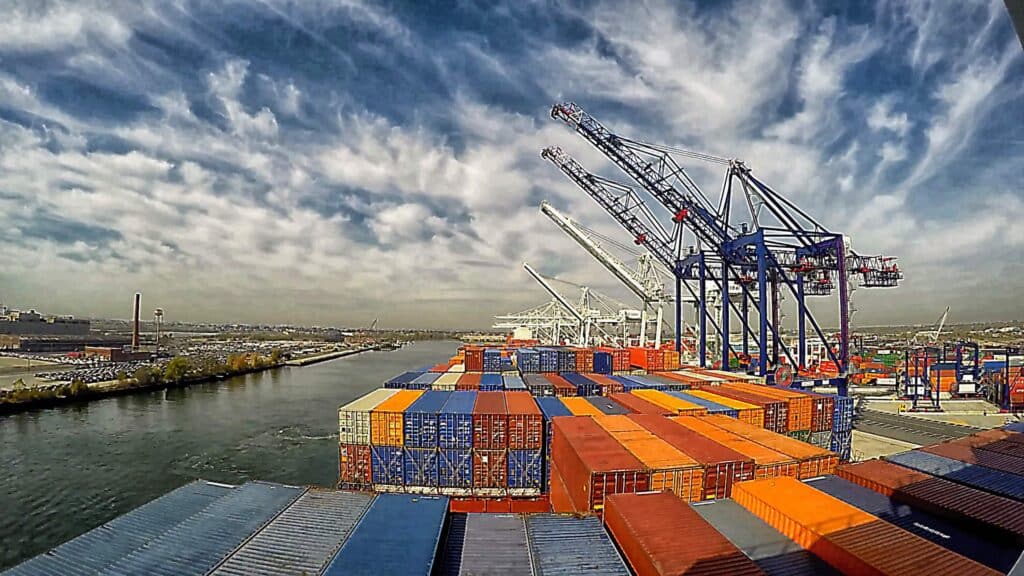
By the time someone is considered an experienced agent, change is no longer the stressful part of the job. It is expected. What matters is how quickly adjustments happen and how little confusion they create along the way.
That control comes from a few consistent habits. Not formal playbooks, but ways of working that hold up when the call starts moving faster than the plan:
Digital Collaboration That Keeps Everyone Aligned
Seasoned agents rely heavily on real-time digital communication to keep all parties working from the same picture.
Terminals, pilots, tug operators, and authorities all operate on slightly different timelines. When changes happen, shared digital platforms allow updates to reach everyone at once instead of moving slowly through email chains or phone calls. This matters most when berth windows shift or service timing tightens and decisions cannot wait.
Instead of acting as a messenger between disconnected parties, the agent can focus on resolving the issue itself. The fewer steps it takes for information to move, the easier it is to keep the call under control.
Pre Arrival Planning That Creates Options
Good agents buy themselves flexibility before the vessel ever arrives.
Early and detailed voyage orders give agents the chance to arrange services that are specific to the vessel rather than generic to the port. Crew changes, spare parts delivery, medical coordination, and specialized provisioning are far easier to manage when planning starts early.
This kind of preparation does not lock the call into a rigid plan. It creates room to adjust later. When something changes, the agent already knows what can move and what cannot without having to figure it out under pressure.
Operational Flexibility Around Timing Shifts
Arrival and departure timing rarely land exactly where expected.
Experienced agents stay in close contact with tug operators, pilots, and terminals so they can react quickly to delays or early arrivals. A small adjustment made early often prevents a vessel from sitting unnecessarily at anchorage or losing a service window later.
The goal is not to eliminate idle time completely. It is to prevent it from growing quietly because no one adjusted soon enough.
Regulatory Knowledge Applied in Practice
Rules on paper and rules in practice are rarely identical.
Agents who understand how customs, immigration, and port authority requirements are actually applied can adjust sequencing and documentation to suit the vessel’s situation. That knowledge often saves time without cutting corners, simply by avoiding unnecessary back and forth.
This kind of judgment is hard to formalize, but it shows up immediately when inspections or compliance checks appear mid-call.
Continuous Communication With the Ship’s Master
Real-time communication with the ship’s master ties everything together.
Experienced agents maintain steady contact so changes in weather, terminal availability, or inspection timing are addressed as they happen. Decisions are made while there is still room to act, rather than after options have narrowed.
This back and forth keeps expectations aligned on both sides and prevents small changes from turning into larger disruptions.
Taken together, these habits allow agents to stay close to the moving parts of a call without being overwhelmed by them. The work is not about freezing conditions. It is about staying aware enough to adjust early and keep control even as details shift.
Final Thoughts on Port Call Customization
Port calls will always change shape. That is simply the reality of the work.
What does not have to change is how those shifts are handled. When updates, approvals, documents, and costs all live close to the job itself, variability stops feeling like chaos and starts feeling manageable. Agents who keep structure tied directly to execution spend less time reconstructing decisions later and more time keeping the call moving in the moment.
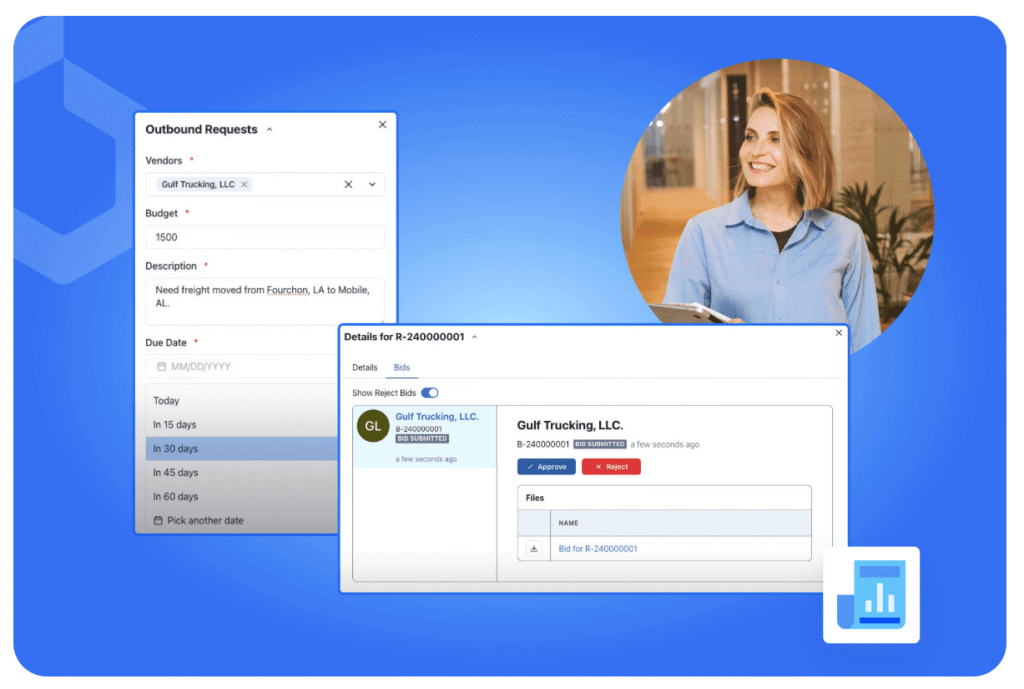
Base is built for this kind of work. It gives agents a single place to run the call as it actually unfolds, capturing changes as they happen instead of forcing everything into rigid steps. Updates, documents, and financial details stay connected, even when timing moves or scope changes. That connection makes it easier to explain what happened, defend costs, and keep everyone aligned without extra back and forth.
Rather than asking agents to work around the system, Base fits into the way port calls really operate. It supports judgment, adjustment, and coordination while keeping a clear record of what changed and why.
If managing constant variability while keeping control sounds familiar, contacting Base is a practical place to start.
Key Takeaways
- Variability is present in every port call, even when details look familiar
- Generic processes struggle when conditions shift mid-call
- Experienced agents rely on habits that protect clarity and context
- Base keeps operational updates, documents, approvals, and costs tied to the same job record, making it easier to manage change
Frequently Asked Questions
Why do port calls resist standardization more than other shipping activities?
Because even well-run shipping companies operate in an environment shaped by the sea, local conditions, and coordination with multiple port service providers. Aligning all stakeholders requires judgment that cannot be locked into a fixed playbook.
Why does information from one call matter so much after the vessel departs?
What happens during a call often affects planning for the next voyage. Accurate vessel details captured at the right moment become important information later, especially when reviewing an example of a delay or cost change.
Why do questions tend to surface after a port call is finished?
Because clarity depends on how data is stored and who has access to it. When only a few users inside an organization hold the full context, gaps in management become obvious after the fact.
Why do operational changes ripple into billing and reporting issues?
Because the operational process feeds directly into the financial workflow. When systems are not integrated, teams lose efficiency, and chasing speed often makes the outcome less efficient overall.
What does a well-run port call record actually look like?
It is a complete picture of what happened, supported by a system feature set that preserves context for the future. Take note that this is about continuity, not just cleanup.