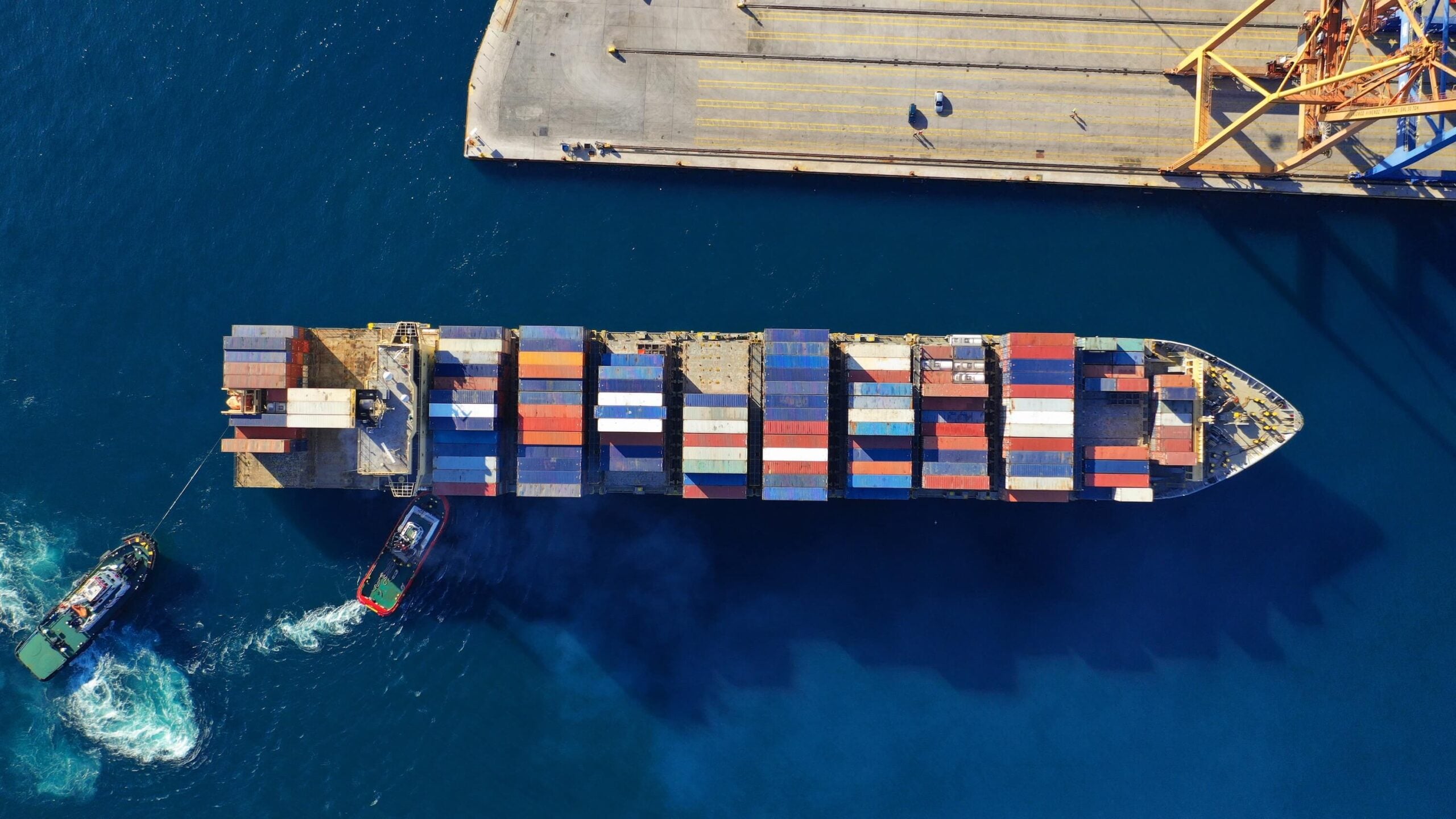
Offshore supply vessels do not run on the same clock as commercial ships. A bulker calls a port on a schedule that was locked weeks ago. An OSV shows up because a rig crew needs a turbocharger tomorrow morning, or because a production platform offshore is running short on drilling mud and the weather window closes in eighteen hours. The job of the port agent handling that OSV is different. This guide walks through what an offshore supply vessel port call actually looks like, where it diverges from a commercial port call, and the operational details that decide whether your agency becomes the default agent for the operator or loses the work to the next firm in the rotation.
What an OSV Port Call Actually Is
An offshore supply vessel port call is a short, high-tempo event where a vessel returns to a base port between trips to a rig, production platform, wind farm, or construction site. The goal is not cargo discharge in the traditional sense. The goal is a rapid turnaround: top up fuel and water, swap out crew, load supplies and deck cargo bound for the offshore site, and push back out to sea on the same tide if possible. A typical OSV port call runs six to eighteen hours from all fast to cast off, not the two or three days you get on a commercial vessel.
The agent sitting in the middle of that window is coordinating simultaneous work streams: crew logistics, bunkering, chandlery delivery, spare parts logistics, offshore cargo manifesting, customs if any of the crew are crossing borders, and the documentation that turns all of it into an invoice the operator will approve without a fight. Get the sequencing wrong and the vessel misses its weather window. Get the paperwork wrong and the FDA gets kicked back for a rebuild that takes another week.
Step by Step: The OSV Port Call Workflow
The work starts before the vessel is visible on AIS. A good OSV agent runs the same checklist every time, and has the backup for every step ready to drop into the final disbursement account the moment the vessel sails.
1. Nomination and pre-arrival
The operator emails you the vessel name, ETA, expected duration at berth, and a rough list of what needs to happen. From that, you build a pre-arrival package: berth booking with the port or OSV base operator, notice to the customs and immigration authorities if the crew change crosses a border, pilot request where required, and a PDA estimate the operator can pre-approve. For OSVs the PDA often has to land within an hour of the request, not next business day. Keep the PDA template locked down so you are not rebuilding it from scratch every call.
2. Crew change coordination
OSV crews rotate on tight schedules, often fourteen or twenty-eight day hitches, and the swap happens dockside while the vessel is still loading. You are booking flights for the crew going home, arranging ground transport from the airport to the vessel, handling visa and immigration paperwork for any flag state seafarers who need a shore pass, and coordinating the medical certificate and STCW verification if the operator requires a document check at the gate. A missed flight or a wrong visa at this stage delays the vessel by a full tide cycle.
3. Bunkers, water, and lubes
Fuel loading on an OSV is almost always priority one because the vessel burns through its bunkers on every trip. You coordinate the bunker barge or pipeline delivery, witness the sounding, collect the bunker delivery note, and get it signed before cast off. Fresh water and lube oil top-ups happen in parallel. Every line goes into the port call record because it will show up on the FDA and the operator will audit it against the delivery receipts.
4. Chandlery, spares, and deck cargo
This is where OSV port calls get operationally messy. The vessel needs provisions and bonded stores for the crew, plus chandlery supplies (cleaning, rope, PPE, galley stock), plus technical spares for the engine room, plus deck cargo that has to be loaded in a specific order for discharge at the offshore site. You are managing multiple vendors at once: the chandler, the provisions supplier, a freight forwarder delivering spares that flew in from overseas that morning, and the operator or their freight forwarder delivering the deck cargo lift. Each one needs to be matched to a vendor PO before you sign off on any invoice, or reconciliation on the FDA becomes a week of arguments.
5. Offshore cargo manifesting
The cargo loaded for the offshore site needs a manifest the vessel can hand to the rig or platform on arrival. For regulated regions the manifest also needs to cover hazmat declarations, dangerous goods segregation, and cargo securing certificates. Dangerous goods paperwork is one of the most common causes of an FDA rework because a missing DG note means the operator audit flags the whole call. Build the manifest against the actual loaded cargo, not the pre-arrival list. Things change at the quay.
6. Cast off and FDA production
When the vessel casts off, the agent has about twenty-four to forty-eight hours to produce the FDA. The operator is already planning the next port call and wants this one closed out. A well-run agent has every charge, every vendor invoice, every receipt and every signed document in one place by the time the vessel sails, so producing the FDA is a button click. A poorly run agent spends the next week chasing vendor invoices and trying to remember which crew member flew on which ticket.
Where OSV Port Calls Diverge From Commercial
If you are an agent coming from the commercial side, the shift to OSV work has a few predictable gotchas.
- Schedule volatility. Commercial vessels schedule in weeks. OSVs schedule in hours. A call booked Monday can be cancelled Tuesday morning because weather closed the rig, or a new call can appear with twelve hours notice. Your vendor relationships need to tolerate that.
- Vendor density. An OSV port call can have six to ten vendors touching the vessel in a twelve hour window. Commercial calls are usually two or three. PO discipline is the only thing standing between you and an FDA rebuild.
- Cash flow pressure. Operators want fast FDA production and fast invoice turn. Slow FDA means slow agent payment, and OSV operators remember which agents close their calls fast.
- Regulatory layering. Offshore work triggers additional compliance: customs temporary imports for spare parts, hazmat manifests, crew visa rules for rotating internationals, and sometimes flag state documentation for the rig itself.
- Documentation as evidence. Operators benchmark their port cost against their own fleet data. Every charge you submit will be compared against the last ten calls. Unexplained charges get kicked back.
Common OSV Agent Mistakes That Cost the Relationship
Agents who lose OSV work usually lose it for one of a handful of reasons. None of them are exotic.
- Vendor invoices arriving after the FDA is sent. The operator gets the FDA, approves it, then a week later a vendor bills you for work done on that call. Now you have to rebuild the FDA or absorb the cost. Both options hurt the relationship.
- Missing PO matching. Every charge needs a PO the operator can trace. If you cannot show the PO, the charge comes off the FDA.
- Crew change paperwork gaps. Missing immigration document, expired STCW, wrong visa. Delays the vessel, and the operator pays for the missed tide.
- Hazmat declaration omissions. If deck cargo includes dangerous goods and you did not file the paperwork, the rig or platform can refuse the delivery. The cargo comes back to shore and the trip was for nothing.
- Slow FDA close-out. Anything over three days on an OSV FDA is a black mark. Commercial vessels tolerate a week. OSV operators do not.
What Software Does and Does Not Solve
An agent platform like Base will not make weather windows stop closing or stop crew flights getting delayed. What it will do is give you a single shared record of the port call, from nomination through FDA, so the work you already do does not slip through the cracks. Every vendor PO lives against the port call. Every invoice gets matched to a PO before it can be approved. Every crew change document is attached to the crew manifest. When the vessel casts off, the FDA is ninety percent built because the data was captured while the work was happening, not reconstructed from email the next day.
For the specifics of how Base handles OSV port calls, see our offshore vessel operations software page. For the finance workflow, see invoice approval and QuickBooks integration. For the documentation trail, see shipping documentation 101.
Frequently Asked Questions
What is the difference between a port agent and a husbandry agent for OSV work?
In most OSV contracts the port agent is the husbandry agent. The two roles collapse into one. You arrange the port call logistics and you also handle the husbandry tasks: crew welfare, chandlery, provisions, and anything else the vessel needs while alongside. Some large operators split the roles on commercial vessels but it is rare to see it split on OSV work.
How fast should an FDA be produced after an OSV port call?
Operators expect OSV FDAs within twenty-four to forty-eight hours of cast off. Commercial vessels tolerate longer, typically three to seven days. The faster turnaround on OSV work is because operators are running back-to-back calls and need the previous one closed before the next one is priced.
What is the biggest cause of OSV FDA disputes?
Vendor charges with no matching PO or no supporting document. Operators have their own historical data on what an OSV call should cost at a given port, and any line item that cannot be justified against a PO gets flagged. The fix is PO discipline during the call, not arguments after it.
Are OSV port calls more profitable for agents than commercial calls?
Margin per call is usually lower because OSV calls are short and the agency fee scales with duration in many regions. Margin per month can be higher because OSV operators run frequent calls, sometimes several per week from the same base port, and a good agent becomes the default on the rotation. The economics favor volume and relationship retention over one off fee maximization.
What documents does an offshore cargo manifest need to include?
At minimum: a manifest of every item loaded with piece count, weight, dimensions, and consignee. Dangerous goods items need a DG declaration with UN number, class, and packaging category. Lifting gear needs certificates of conformity. Refrigerated cargo needs temperature records if the route requires them. The rig or platform operator will refuse cargo that does not match the manifest or that is missing required declarations.
Summary
OSV port calls are short, dense, and unforgiving. The agent who wins the work is the one who captures the operational detail while the work is happening, produces a clean FDA within forty-eight hours, and does not surprise the operator with late-arriving vendor charges. Software does not replace the operational judgment, but it does make sure the evidence trail survives the chaos of a twelve hour port call. If your agency handles OSV work today, the single highest-leverage change you can make is shortening the window from cast off to FDA approved.
Book a demo and we will walk through how Base runs a full OSV port call from nomination to FDA close-out.