
Last-minute port call changes are just part of the job. It might even be why you like this kind of work. There’s something about the pace of it, the constant movement, the need to think on your feet. No two calls play out the same way, and that unpredictability keeps things interesting.
But there’s a difference between controlled pressure and unnecessary chaos. A shifted ETA or a berth change is normal. What turns it into a problem is how quickly things start to drift out of sync once that change hits. One update becomes five. Five becomes ten. Before long, different people are working off different versions of what’s supposed to happen next.
That’s where good agents separate themselves. It is not about avoiding last-minute changes. It is about how you respond when the plan moves. The rest of this comes down to keeping control when everything around the call starts to move at once.
Why Last-Minute Port Call Changes Spiral So Fast
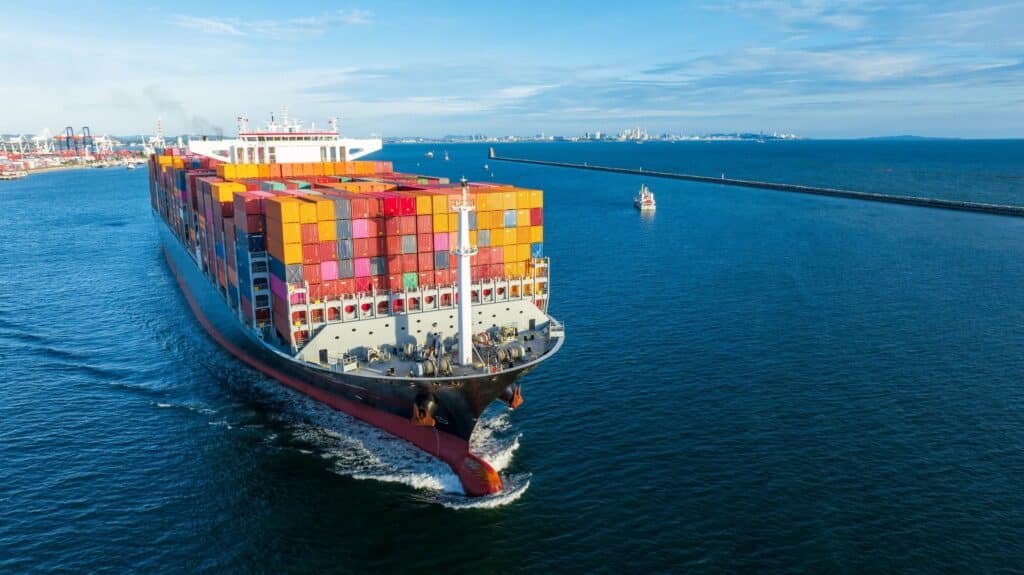
Last-minute port call changes in logistics spiral quickly because they disrupt a tightly coordinated system that has already been planned out in detail. Vessel schedules, terminal labor, yard space, and inland transport are all lined up in advance, often weeks ahead of the call. Everything is timed to work together.
When one piece shifts, it does not stay contained. A change in ETA affects pilot scheduling. That adjustment ripples into tug availability. The terminal may need to reshuffle berth windows or labor allocation. Yard planning can fall out of sync, which then impacts truck and rail movements further down the line.
What makes this challenging is how interconnected everything is. Each part of the operation depends on the others holding their timing. Once that timing starts to move, the coordination behind it begins to loosen. This becomes especially complicated when you are handling multiple port calls at the same time.
This is also where liability starts to creep in. When services are misaligned or updates are missed, responsibility does not disappear just because the situation changed quickly. In a system that depends on coordination, gaps in that coordination often carry financial and operational consequences.
The good news is that experienced agents handle this in a consistent way. There is a pattern to how they respond when things shift, and it is what keeps the call moving even when the plan does not.
Top 5 Things Vessel Agents Need to Do When Last Minute Changes Happen

Last minute changes are manageable when there’s a clear way to respond. Most experienced agents fall into a rhythm in these situations, even if they do not think about it that way.
When the port call plan starts to move, these are the actions that keep the call steady instead of letting it unravel.
1. Rebuild the Plan Before You Start Sending Updates
The first instinct when something changes is to start reaching out. Call the tug. Message the terminal. Email the principal. It feels like progress, but if the plan is still unclear, those updates only spread uncertainty.
A better move is to pause for a moment and reset the working version of the call. Confirm what actually changed. Is it a new ETA from the vessel, a berth adjustment from the terminal, or a delay in cargo readiness? That anchor point matters.
From there, work through what shifts because of it. If the ETA moves, what happens to the pilot booking? Does the tug window still hold? Will the terminal keep the berth or adjust your slot? These are connected decisions, not isolated ones.
Once that picture is clear, the situation feels different. You are not reacting anymore. You are rebuilding the plan. That gives you something stable to communicate instead of sending partial updates that may need to be corrected again.
This is usually the point where control starts to come back. The change has not gone away, but it is no longer unclear.
2. Prioritize What Actually Needs Immediate Attention
After the plan is reset, everything can feel urgent. Every vendor, every service, every stakeholder seems like they need to hear from you right away.
In reality, some parts of the call carry more weight than others in that moment. Pilot and tug scheduling are often time-sensitive and need immediate reconfirmation. Other services can wait while you lock in the critical path.
Knowing what to handle first keeps things from becoming noisy too early. It also helps avoid unnecessary back-and-forth while the plan is still settling.
When priorities are clear, your updates carry more weight. Vendors respond faster. The terminal has better context. Internally, your team is not working off assumptions.
Once the key pieces are secured, it becomes much easier to bring everyone else into alignment.
3. Get Everyone Working Off the Same Version of the Plan
One of the more frustrating parts of last minute changes is realizing that different people are acting on different instructions. You update one vendor, but another is still operating off an earlier message. The principal is asking for status based on an outdated ETA. The terminal is expecting you at a time that no longer applies.
That kind of misalignment is where most of the real problems show up. It leads to unnecessary costs, missed timing, and a lot of correction work that did not need to happen.
Strong agents treat communication as part of the operation itself. Once the revised plan is clear, they push a single, consistent update across all stakeholders. It is not about volume. It is about consistency.
Clarity matters here. A direct update that lays out the confirmed ETA, the service timing, and any sequencing changes gives people what they need to act confidently. It removes guesswork.
There is also a timing factor. The longer it takes to align everyone, the more likely it is that someone moves ahead based on outdated information. Once that happens, the work shifts from coordination to correction.
When everyone is aligned, the call settles. Vendors adjust. Questions slow down. The pressure is still there, but it is focused.
That is usually when attention can shift to something that often gets overlooked in the moment.
4. Capture Changes as They Happen, Not After the Call
It is easy to treat last minute changes as purely operational. The vessel is late. Services move. The call continues. But each of those adjustments has a cost attached to it.
Standby time, overtime, rebooking fees, and extended service windows all build quickly. If those are not captured in real time, they tend to get reconstructed later.
That reconstruction is where things start to break down. You end up digging through emails, asking vendors for clarification, and trying to piece together what happened from memory. Details get missed. Costs slip through. Invoices take longer to finalize.
A more consistent approach is to log changes as part of the live operation. When something shifts, it gets recorded. When a vendor is updated, that timing is noted. When a service changes, the impact is captured alongside it.
Over time, those small entries form a clear timeline of the call. That timeline feeds directly into the Statement of Facts and the final disbursement account.
It also makes conversations easier. Instead of explaining what likely happened, you can point to what did happen.
5. Keep the Whole Call Anchored to One Source
By this point, the pattern is clear. The challenge is not the change itself. It is how information is handled around it.
When updates live in emails, costs live in spreadsheets, and confirmations sit in separate threads, it becomes harder to keep everything aligned. Even experienced teams feel that strain.
Keeping everything tied to one clear record changes how the call runs. Updates stay visible. Vendors act on the same information. Costs are captured in context. The timeline builds on its own.
That is what allows agents to stay steady when plans shift. Not because the situation is simple, but because the information is.
And this is where the right system starts to make a noticeable difference.
How Base Helps Agents Stay in Control When Plans Shift
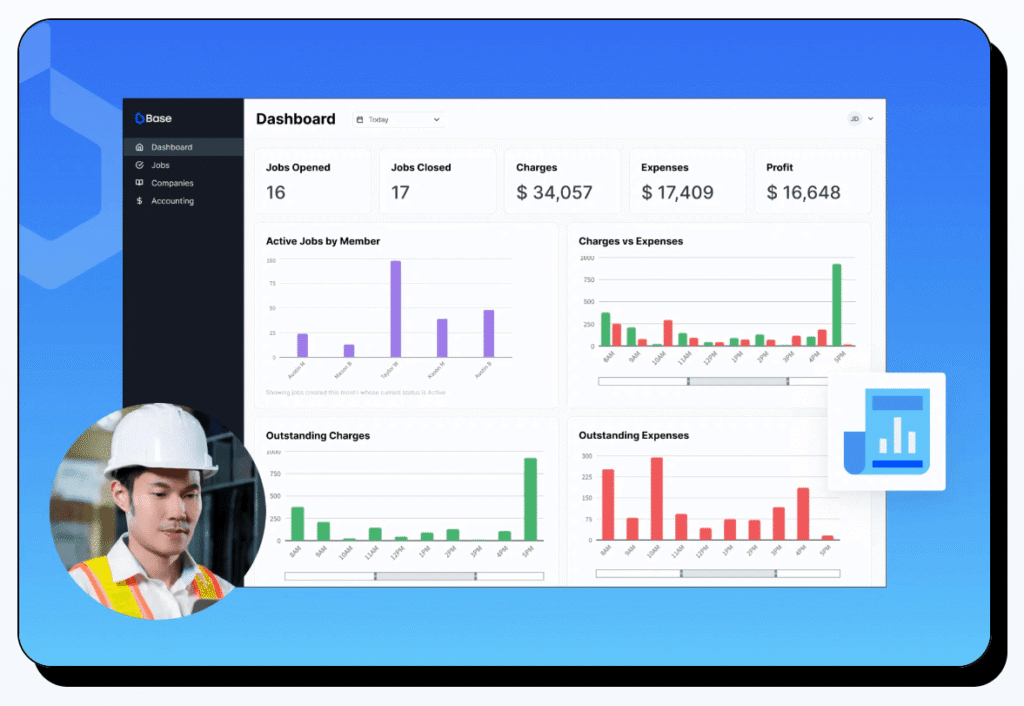
Last minute changes are not going away. There are too many variables in port operations for that. What can change is how clearly those variables are handled once they show up.
Base supports that by keeping the entire port call connected in one place. Each job becomes a single record where updates, services, documents, and costs all live together.
When something shifts, that structure starts to matter. Instead of chasing information across inboxes and spreadsheets, everything stays tied to the call itself.
Here’s what that looks like in practice:
- One live job timeline: Every update reflects immediately in a single place, so anyone involved in the call can see the current status without asking or digging through threads
- Aligned vendor coordination: Service changes stay connected to the job, which makes it easier to keep tug operators, pilots, and terminals working off the same plan. This helps avoid vendor disputes later on.
- Operational and financial context in one view
Costs are captured alongside the decisions that caused them, instead of being pieced together after the call - Less noise, fewer status checks: When the latest update is visible, there is less back-and-forth just to confirm what is happening
- A complete audit trail: Every change, port call report, document, and update is time-stamped and tied to the job, which supports SOF creation and smooth invoicing
All of this comes back to one idea. When the work is organized around a single source, the pressure of last minute changes becomes easier to manage.
Base keeps updates, documents, and financials connected within one workflow, so agents are not tracking critical details across multiple tools and threads.
Final Take on Port Call Changes
Port calls will always shift. That is part of the work, and for many agents, part of what keeps it engaging.
What matters is how the call holds together when those shifts happen. The agents who stay steady are the ones who can quickly reset the plan, align everyone involved, and keep a clear record of what is actually happening as the situation evolves.
That kind of control does not come from working faster or sending more updates. It comes from having a clear view of the call and knowing that everyone else is working from that same view.
Over time, that changes how these moments feel. Instead of reacting to every change, you are guiding the call through it. The pressure is still there, but it is more focused and easier to manage.
If you are finding that last minute changes create more noise than they should, it is usually a sign that the information around the call is too spread out. Bringing that into one place can make a noticeable difference in how your team handles these situations day to day.
Base is built around that idea. It keeps the full port call, from updates to costs to documents, connected in one clear record so your team can stay aligned when plans move. If you want to see how that works in practice, it is worth taking a closer look at how Base fits into your current workflow.
Key Takeaways
- Last-minute port call changes are expected, but the impact depends on how quickly the plan is reset and shared
- Delays escalate when different stakeholders act on different versions of the schedule
- Rebuilding the plan first creates a clear foundation for every decision that follows
- Prioritizing time-sensitive services helps stabilize the call early
- Consistent communication keeps vendors, terminals, and principals aligned
- Capturing changes in real time supports accurate SOF and faster, cleaner invoicing
- Keeping everything tied to one record makes it easier to manage pressure without losing visibility
Frequently Asked Questions
What causes last-minute port call changes?
Most disruptions come from shifting conditions outside anyone’s control. Changes in weather conditions, unexpected delays at port terminals, or routing adjustments at sea can all force updates to a vessel schedule. Even something small, like a change in cargo readiness, can ripple across the entire plan and affect the final arrival window.
What is the biggest risk when a port call changes last minute?
The biggest issue is misalignment. When different stakeholders are working off different updates, small gaps turn into delays, added waiting time, and unnecessary cost. In busy ports, port congestion can make this worse, especially when terminal operators need to reassign labor and berth space on short notice.
How should vessel agents respond to sudden ETA changes?
Start by confirming the updated timeline and rebuilding the sequence of events around it. That includes checking the vessel’s speed, adjusting the service order, and confirming how the new route affects pilot and tug availability. From there, push one clear update so everyone is aligned before moving forward.
Why is real-time documentation important during port calls?
Keeping a live record helps avoid gaps later. When updates, costs, and confirmations are captured as they happen, it creates reliable port call data that supports invoicing and reporting. It also reduces the need for post-call reconstruction, which can slow down the process and introduce errors.
How do vessel agents keep vendors aligned during changes?
Clarity and timing matter most. Vendors need a single update that reflects the current plan, along with enough detail about timing and required equipment so they can adjust without hesitation. When communication is consistent, it supports smoother coordination and keeps overall efficiency intact.
What role does technology play in managing port call changes?
Technology brings everything into one place so teams can work from the same information. With the right setup, agents have immediate access to updates, documents, and financials tied to the job. That makes coordination more practical, reduces operational risk, and improves how quickly teams can respond when something shifts.