
Anyone who has worked a live port call knows the report is never “just paperwork.”
It is the record people reach for when the timeline gets questioned, when a principal wants clarity on what actually happened, when finance is trying to reconcile charges, and when someone needs to understand why the call took the turn it did.
A good report carries more weight than its name suggests. It gives the operation a memory.
In this blog, we’re going to walk through what a strong port call report really looks like. We’ll talk about the details that should always be included, the timestamps that people pay the most attention to, and the operational notes that help explain why a call went the way it did.
By the end, you should have a clear sense of what belongs in a port call report and how experienced agents approach the process so it stays accurate, useful, and manageable even during busy stretches of operations.
Why Port Call Reports Matter More Than Most Teams Admit
The value of a port call report usually becomes obvious after the busiest part of the call has already passed. In the middle of operations, nobody is thinking about the report first. People are focused on getting the vessel alongside, coordinating with the terminal, managing services, and responding to whatever the day decides to throw at the schedule.
Anyone who has worked a call knows how quickly the pace picks up. One moment you are confirming the pilot window, the next you are coordinating tugs, checking cargo readiness, answering updates from the principal, and keeping an eye on berth availability. In that environment, the report can feel like the administrative task waiting at the very end of the process.
Though in practice, it is not separate from the operation at all. It is part of it.
A well-written port call report helps everyone involved in the call see the same sequence of events. The local agent may already know how the day unfolded, though the principal, operator, chartering desk, and finance team are usually looking at the call from somewhere else. For them, the report becomes the closest thing to standing on the pier and watching the operation happen.
When the report is clear, it answers the questions people are already going to ask. When it is vague, those questions multiply.
A strong report helps clarify things like:
- When the vessel actually arrived and when the pilot boarded
- When the first line was secured at berth
- When cargo operations began and finished
- Whether the terminal worked at expected loading or discharging rates
- What caused any waiting time or operational delays
- When the vessel departed and how the final timeline unfolded
Those details might sound routine, though they carry real weight once the call is reviewed later.
This is especially true when conversations start around laytime, terminal performance, or cost verification. If cargo started later than expected, the report should show why. If the vessel waited before berthing, the timeline should make that clear. If weather slowed operations, or if terminal equipment created delays, those details need to be written down in a way that someone outside the port can easily understand.
When that context is missing, interpretation starts filling the gaps. That is where confusion creeps in and where unnecessary vendor disputes tend to begin.
There is also the simple operational reality that people in this industry know well: calls rarely happen one at a time. Most teams are juggling multiple port calls across different vessels, terminals, and stakeholders. Updates are moving in different directions, and the details of one call can blur into another if the record is not kept clearly.
That is where the port call report becomes a kind of anchor for the operation. It gives the call a clear timeline and a written record that does not depend on someone’s memory or scattered email threads.
What Every Port Call Report Should Include

At its core, a port call report answers three questions:
- What happened?
- When did it happen?
- Where did it happen?
Everything else in the report supports those answers.
That sounds simple until you’re trying to reconstruct a busy port call after the vessel sails. Pilot boarding, cargo readiness updates, berth coordination, service arrangements, and terminal communication all pile up quickly.
Without structure, the report becomes a puzzle.
That’s why strong reports follow a consistent format. Each section captures a piece of the story so anyone reading it later can follow the call from start to finish.
Vessel Identification
This section may not be exciting, but it is essential.
Before anyone reviews the timeline or cargo activity, they need to know exactly which vessel the report refers to.
A report should include:
- Vessel name
- IMO number
- Call sign
- Flag state
These details make the report easy to trace and reduce confusion across voyages or vessels with similar names.
Most readers move through this section quickly, but it quietly anchors the entire document.
The Operational Timeline
Once the vessel details are clear, the timeline becomes the center of the report.
This is where most readers go first because it shows how the call actually unfolded.
The timeline should record the major operational milestones in order:
Arrival
- Anchorage arrival time
- Pilot boarding time (depending on local reporting norms)
Berthing
- Time of first line fast
Operations
- Cargo start and completion
- Bunkering operations
- Crew changes
- Inspections or services
Departure
- Last line off
- Anchor aweigh or pilot disembarkation
These timestamps are not decorative. They form the backbone of the report and shape how the entire call is interpreted later.
Operational Details That Explain the Timeline
A sequence of times is helpful, but it doesn’t explain why events happened the way they did.
That’s where operational context becomes important.
The report should clearly record:
- Cargo quantity loaded or discharged
- Berth number and terminal location
- Average loading or discharge rates
These details add meaning to the timeline and help teams evaluate performance later.
Over time, this information also supports better port call planning, since operators can review past calls and understand how specific terminals or berths typically perform.
Delay explanations deserve special attention here. Many reports weaken because the delay notes are too vague.
Instead of writing “operations delayed,” the report should describe the cause clearly:
- Cargo start delayed due to terminal equipment failure
- Operations suspended due to weather
- Waiting on documentation clearance before cargo start
Clear explanations reduce confusion later and make the timeline easier for others to follow.
Administrative and Safety Information
Beyond operational activity, a complete report should capture the administrative side of the call.
This may include:
- Master’s name and signature
- Port security level
- Number of persons on board
The report should also reflect compliance-related notices such as pre-arrival or pre-departure notifications where a 24-hour rule applies.
These details may seem routine, but they help show that the call was handled according to procedure.
Supporting Documents That Strengthen the Record
A strong port call report rarely stands alone.
Supporting documents add credibility and provide proof behind the timeline.
Common supporting records include:
- Notice of Readiness (NOR) tendered and accepted
- Draft survey reports
- Daily progress reports for longer stays
These documents reinforce the operational story and help transform a simple timeline into a defensible record.
When these elements come together—vessel details, timeline, operational context, and documentation—the report becomes a clear account of the call.
Anyone reviewing it later can understand what happened without needing additional explanations.
5 Best Practices That Save Time and Make Reporting More Reliable
Most delays in port call reporting don’t come from the report itself. They come from how the information is captured during the call. When event times live in emails, delay notes sit in scattered messages, and documents are stored in different places, the report becomes a reconstruction project.
The teams that produce the clearest reports usually aren’t spending more time writing them. They’ve simply built habits that capture the right information while the operation is still moving. By the time the vessel sails, much of the report already exists.
Here are five practices that make reporting faster, clearer, and more reliable.
1. Record Key Events as They Happen
One of the biggest time savers is entering major operational events in real time.
When pilot boarding, first line fast, cargo start, and cargo completion are recorded during the call, the final report becomes much easier to assemble. Instead of rebuilding the timeline from memory, the sequence of events is already documented.
Waiting until the vessel sails to reconstruct the call often leads to missing or inconsistent timestamps. Small timing differences become harder to verify, and message threads end up filling the gaps. Capturing events as they happen avoids that problem.
2. Keep Notes and Updates in One Place
Port calls generate constant communication—emails, calls, text updates, and quick internal notes. When those details are spread across different channels, writing the report later means hunting through messages to piece together what happened.
A central place to capture event times, observations, and delay explanations keeps the reporting process grounded. Instead of chasing details across inboxes, the operational record grows alongside the call itself.
This single habit can remove a surprising amount of friction from report writing.
3. Explain Delays Clearly and Specifically
Delay explanations are one of the most important parts of the report, and one of the most common places where clarity gets lost.
Short phrases like “operations delayed” rarely help anyone reviewing the call later. The report should explain what actually caused the interruption.
For example:
- cargo readiness delayed at the terminal
- terminal equipment breakdown
- heavy weather interrupting cargo handling
- documentation clearance pending before cargo start
Clear explanations reduce follow-up questions and help others understand the operational reality behind the timeline.
4. Use the Same Report Structure Every Time
Consistency makes reports easier to write and easier to read.
When every port call report follows the same structure—vessel details, timeline, operational notes, administrative records, and supporting documents—readers know exactly where to find the information they need.
This also helps teams reviewing multiple calls at once. When the format stays consistent, it becomes easier to compare timelines, review delays, and identify patterns across calls.
A predictable structure saves time for both the person writing the report and the people reviewing it later.
5. Keep Supporting Documents Close to the Report
A port call report becomes much stronger when the supporting records are tied directly to it.
Documents such as the Notice of Readiness, draft surveys, daily progress reports, or service confirmations help verify the events recorded in the timeline. When these records are easy to access alongside the report, the operational story becomes much easier to review.
When those documents live in separate folders or scattered email threads, the report loses some of its usefulness and readers spend more time searching for context.
Keeping the documents close to the report turns it into a central reference point for the entire call.
In the end, faster reporting doesn’t come from cutting details out of the report. It comes from capturing the right information while the call is still unfolding.
When teams build these habits into their workflow, the final port call report becomes much easier to assemble. It reads clearly, holds up under review, and gives everyone involved in the operation a record they can rely on once the vessel has moved on.
How Base Helps with Port Call Management
A strong report does more than summarize the day. It shows the sequence of events clearly, captures the operational context behind the timeline, and preserves the details that others will rely on later. Vessel particulars, key timestamps, cargo information, delay explanations, administrative records, and supporting documents all work together to tell the full story of the call.
The challenge, of course, is that most reports are written after a long operational day. Rebuilding the timeline from emails, notes, and memory takes time, and it leaves room for small details to slip through the cracks. That is why more vessel agents are shifting toward workflows that capture information as the call unfolds.
This is where systems like Base make a meaningful difference.
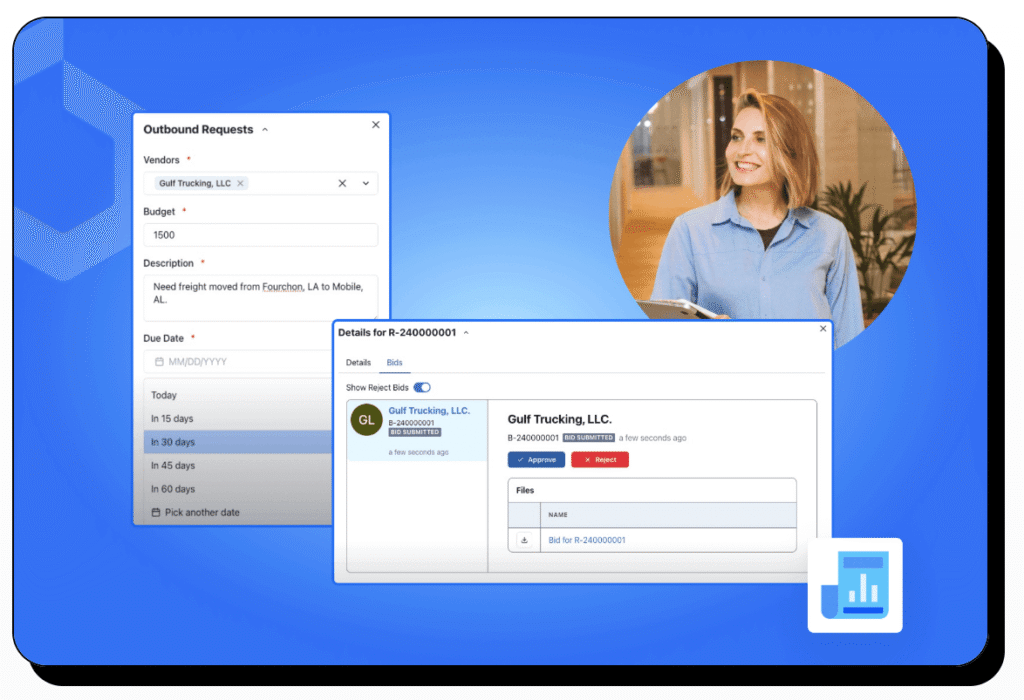
Base gives vessel agents a single place to record operational events, track timelines, attach documents, and keep the full port call record organized as the work is happening. Instead of reconstructing the report after the vessel sails, agents are building it naturally during the call. Key events, cargo activity, service coordination, and supporting documentation all stay connected to the same job record.
By the time the call is complete, the report is already taking shape.
For teams managing busy operations and handling several calls at once, that approach can remove a significant amount of reporting friction. It keeps timelines accurate, reduces time spent searching for details, and helps ensure that the final port call report reflects exactly what happened.
Final Take on Port Call Reporting
A well-written port call report gives everyone around the operation the same clear view of what happened. When vessel details, timelines, operational notes, and supporting documents are recorded properly, the report becomes a reliable reference long after the vessel has sailed.
The challenge is that assembling that record after a busy call takes time, especially when information lives across emails, notes, and message threads. Capturing events as the call unfolds makes the reporting process far easier and keeps the final timeline accurate.
Base helps vessel agents manage that process by keeping operational events, documents, and timelines organized in one place while the work is happening. Instead of rebuilding the report afterward, the record develops alongside the call.
If you want to see how Base can help your team manage port calls and reporting more efficiently, contact us today to learn more.
Key Takeaways
- Port call reports act as the official record of what happened during the call.
- Every report should answer three questions: what happened, when, and where.
- The operational timeline is the most important section of the report.
- Operational details give the timeline meaning and explain delays or performance.
- Supporting documents strengthen the report and validate key events.
- Most reporting delays come from scattered information.
- Recording events in real time speeds up report writing.
- Tools like Base help agents capture information during the call.
Frequently Asked Questions
What does a port call mean?
A port call refers to the period when a ship arrives at a typical port to complete activities tied to port operations, such as cargo handling, inspections, refueling, or crew changes. During this time, the vessel interacts with terminals, service providers, and the port authority before preparing to continue its next voyage.
What is included in a port call report?
A port call report records the key events that take place during a vessel’s stay. It usually includes vessel identification, operational timelines, and a description of activities such as cargo handling, bunkering, and customs clearance. The report may also show arrival and departure dates, operational notes, and supporting data so clients and internal users can understand how the call unfolded across the entire port.
What is the Master’s port call report?
The Master’s port call report is a record prepared by the vessel’s captain that documents events from the vessel’s perspective. It may include operational notes, weather observations, fuel consumption, and other critical details recorded during the port stay. This report helps maintain operational control and provides additional knowledge that can support reviews of the call alongside the agent’s report.
How do you make a port call report?
Creating a port call report involves documenting the sequence of events that occurred during the call and organizing them into a clear record. Agents typically capture arrival times, cargo activity, service events, and administrative steps such as pre arrival notification or pre arrival submission to local authorities. Modern systems allow teams to upload documents or a supporting file, track each line item, and provide real time visibility so the report stays accessible and structured using consistent terminology for accurate implementation and improved operational efficiency.