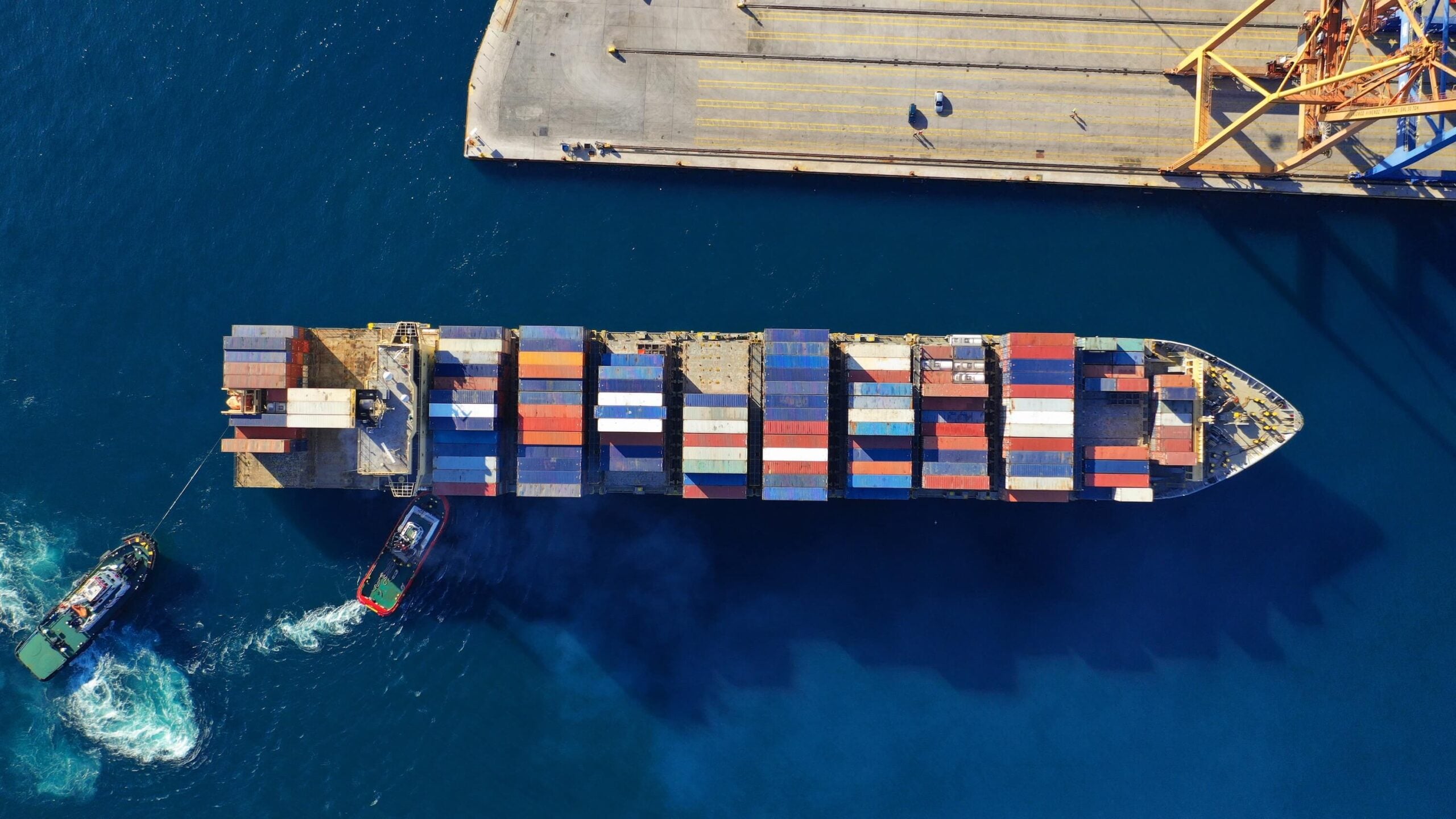
Being a vessel agent is not a desk job. It is a 24/7 balancing act.
You are expected to know the latest ETA before it is fully settled, solve problems before they escalate, and respond to questions that seem to come from every direction at once. Some calls run clean. Others test your patience and your systems.
We understand how demanding that pressure can be. That is why we put together this practical vessel agent checklist for a perfect port call. It is broken down into the four major phases of a port call and focuses on the disciplines that keep operations steady: proactive communication, careful documentation, and precise coordination from pre-arrival through departure.
Phase 1: Pre-Arrival — Build the Foundation Before the Vessel Berths
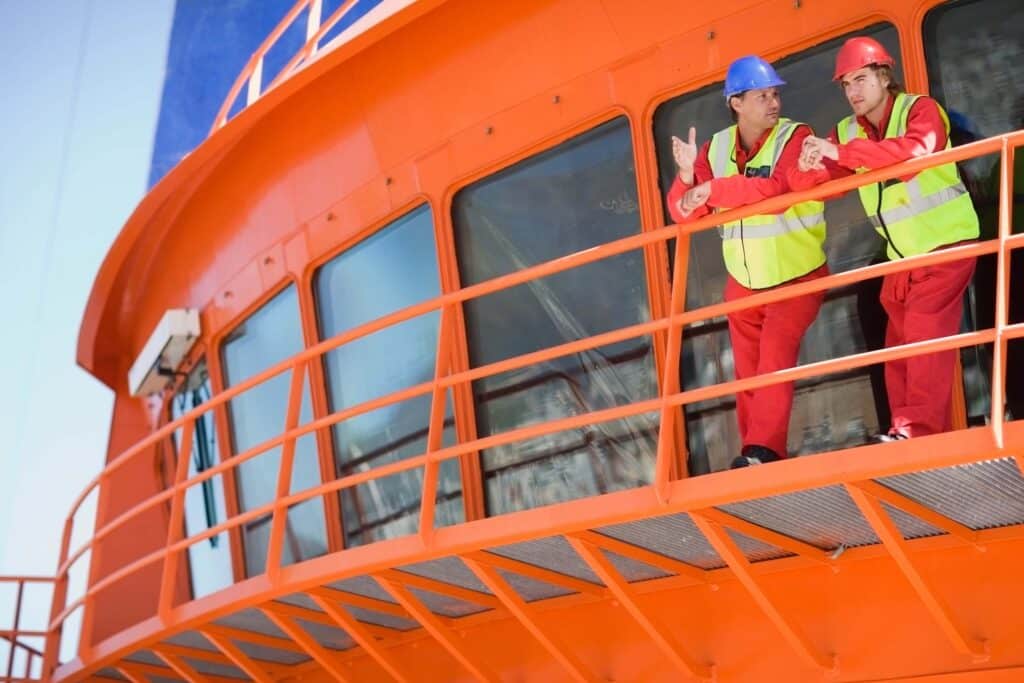
Pre-arrival is where you get mentally and operationally aligned with the call.
Before the vessel is anywhere near the port, you should already be tuned in to what this visit requires. Not just aware that it’s coming, but fully dialed into the context around it. Who is involved. What pressures exist. What could tighten the window. What expectations are sitting quietly in the background.
Getting tuned in early changes how you handle the rest of the call. You stop reacting to updates and start anticipating them. You see small shifts before they turn into problems. You communicate with confidence because you understand the moving pieces.
Think of this as your pre-berth control sheet:
1. Mandatory Document Verification
Before anything else, confirm the vessel’s core documents are valid, complete, and consistent across submissions.
Check:
- Crew List (final version, spelling and ranks verified)
- Ship’s Store Declaration
- Cargo Declaration
- Crew Effects Declaration
- Safety Management Certificate (SMC)
- International Ship Security Certificate (ISSC)
Confirm expiration dates. Confirm vessel name and IMO match across documents. Confirm there are no outdated attachments floating in email threads.
Do a quick internal check for flag state inspection readiness. Even if no inspection is scheduled, paperwork and onboard routines should reflect order and consistency.
Before moving on, answer this:
Who requires which document, in what format, and by when? Some ports require advance submission. Some require documents at boarding. Some change the process depending on traffic or vessel type. Confirm expectations in writing.
2. Pre-Arrival Reporting & Information Control
Treat information flow as a controlled release, not a casual update.
Confirm the following are completed:
- Notice of Readiness (NOR) issued in correct format and timing
- Manning Data posted where required (especially U.S. calls)
- Health, security, cargo, waste, and crew movement pre-arrival notices submitted
- Terminal-specific reporting requirements satisfied
Keep one master version of key particulars:
- ETA
- Berth
- Draft
- Cargo plan
- Service scope
When updates occur, confirm acknowledgement. Sending an update is not the same as alignment.
3. Marine & Terminal Services Booking
Do not assume bookings are locked because someone “said yes” on a call.
Obtain written confirmation for:
- Pilot boarding time and location
- Tug type, bollard pull, timing, and standby terms
- Mooring gang / line handlers
- Confirmed berth window and terminal slot
If berth windows are tight, define escalation paths now:
- Who is notified if ETA shifts
- Who can approve tug rescheduling
- Who must be copied on timing changes
This is where port call coordination becomes practical. Every service provider is operating on their own timeline. Your job is to keep those timelines synchronized.
4. Operational & Commercial Services
Small services cause big delays when overlooked.
Confirm early:
- Bunkering plan and access timing
- Fresh water supply
- Provisions and bonded stores
- Waste and sludge removal
- Repair technicians, spares, boarding passes, access permits
If the call requires customized port calls, document what is unique about this vessel’s needs. Do not rely on memory. Match services to terminal access windows and vessel constraints.
Before closing Phase 1, issue a concise status note to:
- Master
- Principal / Operator
- Terminal contact
- Critical vendors
Include: what is confirmed, what is pending, and next expected milestone.
Phase 2: Arrival — Execute with Precision
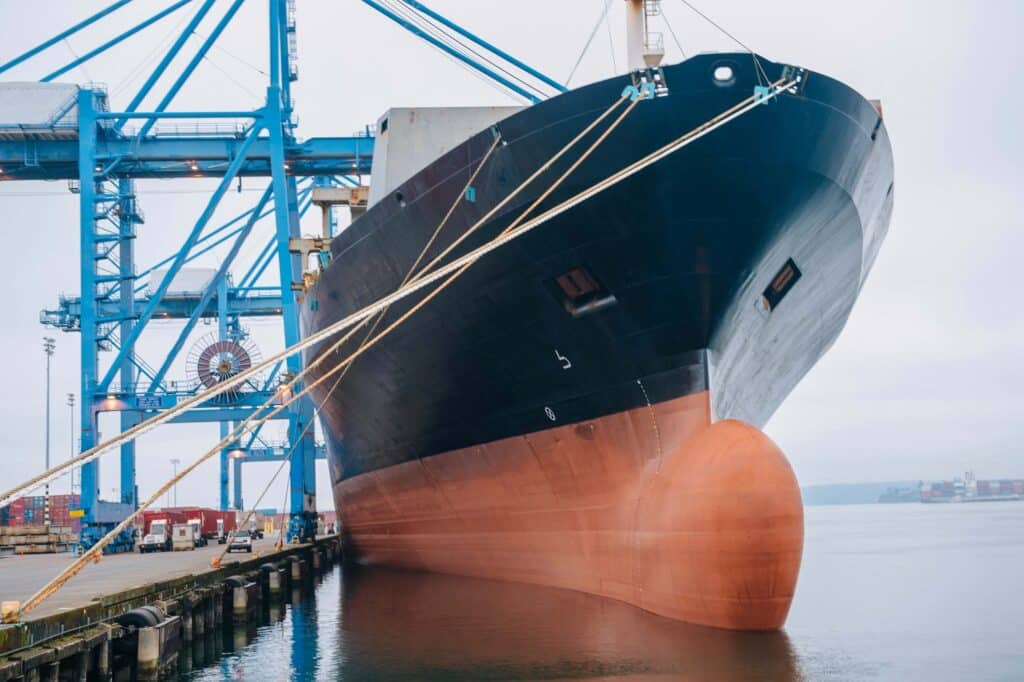
Arrival is where preparation becomes visible.
This is the moment when everyone is watching. The vessel is on approach. The pilot is scheduled. The terminal is expecting movement. Questions start coming in quickly, often at the same time, and small timing changes carry real consequences.
Executing with precision during arrival means staying composed while the tempo increases. It means responding clearly, confirming details instead of assuming them, and keeping everyone aligned as events unfold in real time.
If pre-arrival was about getting tuned in, arrival is about staying sharp. This is where your coordination shows. When you handle this phase with control and clarity, the rest of the call has a stable start.
Arrival Control Checklist
- Reconfirm Pilot & Approach
- Verify boarding time and boarding point
- Confirm master’s ETA matches pilot schedule
- Notify tug provider immediately of material ETA changes
- Safety & Equipment Confirmation
- Confirm steering gear test completed within required window
- Confirm navigational equipment checks documented
- Verify vessel can produce documentation on request
- Customs & Immigration Clearance
- Crew documentation ready in required format
- Boarding arrangements confirmed
- Health declarations and port forms aligned
- Terminal Readiness
- Confirm berth physically available
- Confirm gangway access
- Confirm cargo readiness
- Clarify any draft or tidal restrictions
- Live Communication with Master
- Update on berth timing shifts
- Update on tug or mooring adjustments
- Confirm receipt of each critical change
- Immediate Timestamp Capture
- Pilot onboard
- First line ashore
- All fast
Capture in real time. Do not reconstruct later.
Before moving to in port operations, issue a brief arrival summary:
- Vessel alongside status
- Key timestamps
- Next operational milestone
Clarity at this stage reduces repetitive calls.
Phase 3: In-Port Operations — Protect the Timeline
Once the vessel is alongside, the spotlight shifts from planning to performance.
This is the stretch where time either holds its shape or slowly slips away. The schedule might look solid on paper, but in-port activity introduces constant movement. Shifts change. Equipment pauses. Access windows tighten. People assume someone else has confirmed something.
Protecting the timeline during this phase is about vigilance. It requires steady oversight and frequent alignment. You are watching for drift, correcting it early, and keeping the call anchored to its intended course.
Use this as your in-port control grid:
Cargo Operations Oversight
- Confirm cargo start time
- Confirm planned shift schedule
- Monitor interruptions (weather, equipment, terminal holds)
- Confirm cargo completion estimates
- Align master and terminal on expected departure readiness
Crew Change & Logistics
- Immigration clearance confirmed
- Transport confirmed with timing buffer
- Meet-and-assist arrangements verified
- Boarding passes and security approvals aligned
- Address medical or welfare needs immediately
Waste, Sludge & Environmental Handling
- Vendor arrival aligned to terminal window
- Discharge documentation prepared
- Quantities verified and signed
- Environmental compliance records secured
Stores & Deliveries
- Delivery timing coordinated with terminal
- Bonded store handling confirmed
- Access permissions cleared
- Receipts captured immediately
Service Timing Adjustments
- Tug standby terms reviewed
- Rescheduling documented
- Line handler timing aligned
- Launch timing reconfirmed
Live Operational Recordkeeping
- Log every major operational event
- Record changes with timestamps
- Confirm acknowledgement from affected parties
- Maintain one current plan reference
This is where exception management becomes visible. When a deviation occurs, document:
- What changed
- Why it changed
- Who was notified
- What corrective action was taken
Within broader port operations, you are maintaining shared reality. Terminal, vendors, master, and principal must operate off the same facts.
Before departure preparation begins, send a mid-call update:
- Completed milestones
- Outstanding services
- Departure risks
- Decisions required
Advance notice reduces last-minute friction.
Phase 4: Departure — Close Without Loose Ends
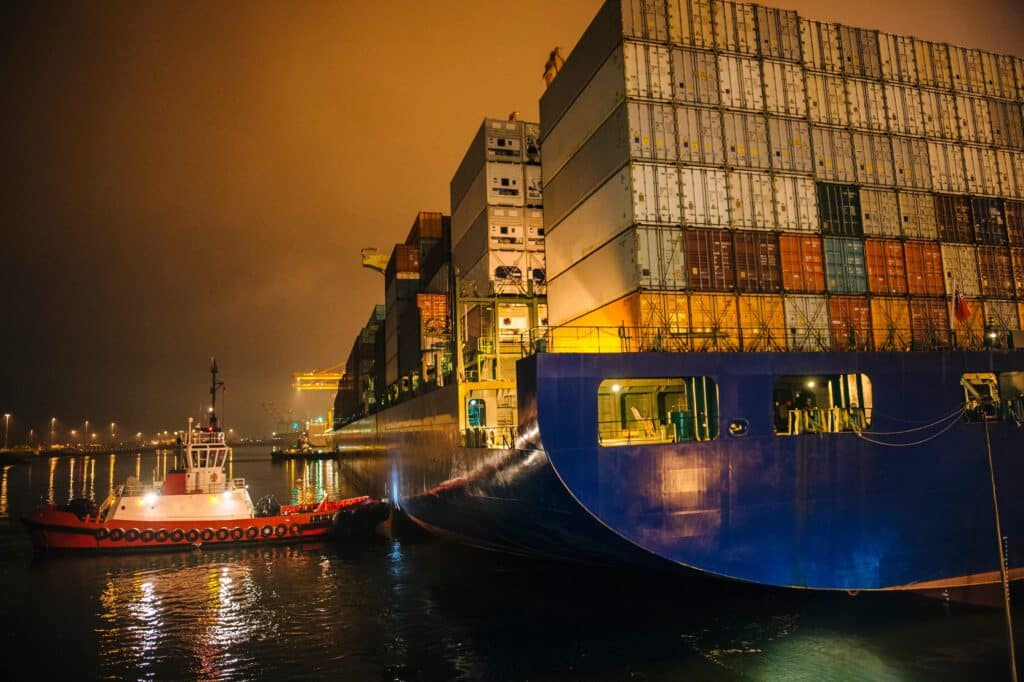
Departure has its own kind of pressure.
The vessel is preparing to sail. People are thinking about the next port, the next shift, the next call. It is easy for attention to drift at exactly the moment it needs to tighten.
Closing without loose ends requires discipline. This is where you slow your thinking down, even if the tempo around you is speeding up. You confirm what is complete. You verify what still needs action. You make sure nothing small is left unresolved simply because the vessel is about to move.
1. Outbound Clearance
Confirm:
- Port authority clearance secured
- Customs and immigration exit formalities complete
- Final cargo documents issued correctly
- Port dues reconciled
- Any inspections completed
No open regulatory threads should remain when the vessel sails.
2. Financial Capture Before Memory Fades
Immediately gather:
- Vendor service confirmations
- Invoices and receipts
- Standby or deviation notes
- Supporting documentation for final disbursement
Capture now. Do not rely on later recollection.
3. Statement of Facts Validation
Tighten the operational record:
- Verify timestamps with vessel and terminal
- Clarify disputed or unclear events
- Record causes for delays
- Confirm alignment on final event sequence
The SOF should read clearly without explanation.
4. Final Stakeholder Communication
Send a concise departure summary:
- Vessel sailed time
- Clearance status
- Outstanding items, if any
- Ownership of remaining actions
A clean closure message prevents post-call confusion.
The Operating Principle Behind a Perfect Call
A perfect port call rests on a simple mindset: treat the vessel like a high-priority customer, and treat the operation like it’s being audited in real time.
That sounds lofty, but it’s actually practical.
High-priority customer service in this world looks like:
- 24/7 reachability with meaningful responsiveness
- Honest updates that don’t hide uncertainty
- Frequent communication that respects time (clear, short, factual)
- A habit of confirming acknowledgement, not just sending messages
- Documentation that is complete before anyone requests it
It also means you don’t outsource your “truth” to whichever inbox thread is most recent. You hold one clear operational record and keep it updated as conditions change.
When principals feel they have visibility, they stop chasing. When vendors see consistent coordination and prompt handling of details, they show up ready. When port authorities receive accurate documentation on time, clearance becomes routine instead of a hurdle.
That’s the real payoff: fewer avoidable calls, fewer disputes, and fewer moments where you’re trying to reconstruct reality after the fact.
Final Take on the Vessel Agent Checklist
If you’ve worked enough port calls, you know the difference between “busy” and “controlled.” Busy is constant motion. Controlled is knowing exactly where things stand, even when the phone is ringing. The checklist above is built around that idea: proactive communication, disciplined documentation, and coordinated services repeated consistently, even on difficult days.
The hard part is not knowing what to do. It is keeping every moving piece aligned when updates, documents, and costs are coming in from different directions.
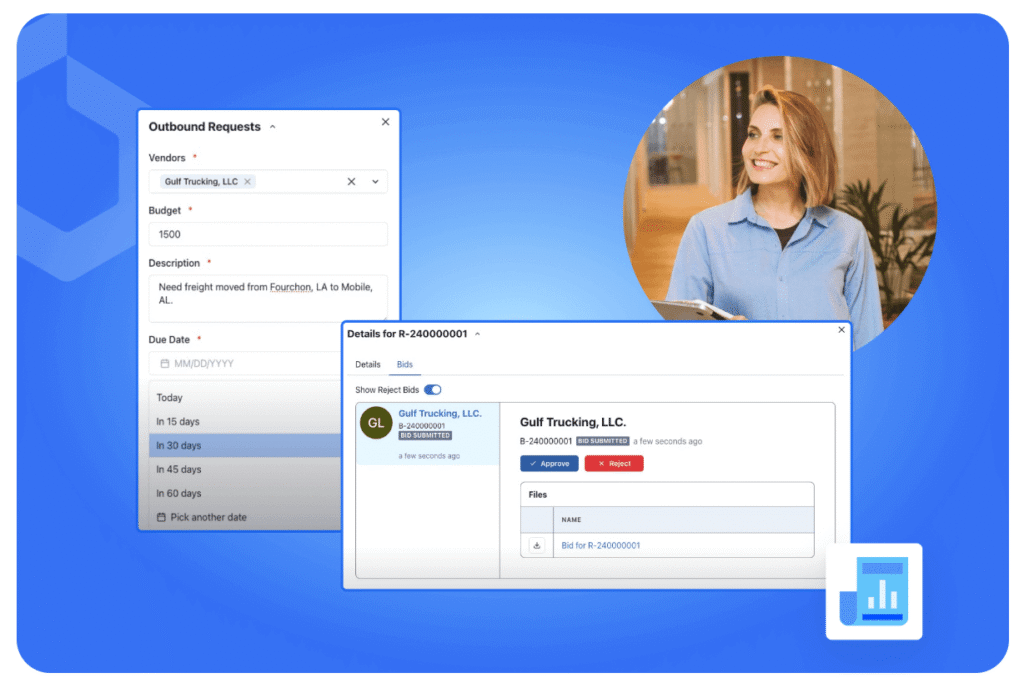
Base supports vessel agents by giving each port call one structured operational record. Updates, documents, timestamps, vendor confirmations, and financial backup all connect to the same job. Instead of chasing threads across email and spreadsheets, your team works from a shared, current version of the call.
The result is steadier execution and fewer gaps between operations and finance. Control lives in one place instead of in people’s inboxes.
If you would like to see how Base supports vessel agents across pre-arrival, execution, and close-out, contact Base and we will walk through your workflow in practical terms.
Key takeaways
- The pre-arrival phase decides most outcomes; treat it like operational groundwork, not admin work.
- Validate mandatory documents early, including SMC and ISSC, with clear submission expectations.
- Arrival should feel boring: confirmed services, documented checks, clean clearance, and tight timestamps.
- In-port control comes from live coordination plus a habit of logging changes and acknowledgements.
- Departure discipline protects both reputation and financial close-out speed.
- A perfect call isn’t delay-free; it’s surprise-free.
Frequently Asked Questions
What does a port coordinator do?
A port coordinator acts as the central point of contact between the vessel, port authorities, terminals, service providers, and the principal. The role covers documentation, scheduling, and real-time updates so everyone involved in vessel operations is working from the same information.
They verify arrival data, confirm services, and keep required paperwork readily accessible for inspection. They also monitor compliance with local regulations and international regulations that apply to the call. That can include oversight related to ballast water management, waste management, and pollution prevention standards, depending on the port.
On the operational side, the coordinator tracks critical milestones such as pilot boarding and cargo completion. They maintain communication with the master and crew members, confirm that required maintenance records are available if requested, and respond quickly to changes that affect timing. In short, they help prevent accidents and delays by keeping information structured and aligned across all parties.
What is port call management?
Port call management is the structured handling of a vessel’s visit to port, from pre-arrival planning through departure clearance. It connects operational planning, regulatory compliance, and financial control into one coordinated process.
In the maritime industry, port call management covers documentation submission, service bookings, coordination with port authorities, and confirmation that safety practices are being followed onboard. It includes ensuring that lifesaving appliances such as life rafts and life jackets are compliant and readily accessible, that firefighting equipment and fire extinguishers are accounted for, and that crew readiness is maintained before arrival.
Effective port call management also supports operational efficiency. When documentation, services, and approvals are organized properly, teams enhance efficiency across the call and reduce unnecessary back-and-forth with terminals and authorities. The goal is smooth operations grounded in clear responsibility and traceable records.
What is the process of port call?
The process of port call typically moves through four main stages: pre-arrival preparation, arrival execution, in-port activity, and departure clearance.
Pre-arrival includes submission of required documentation to port authorities and alignment with local regulations. This stage often involves confirming cargo plans, crew members lists, and any environmental compliance measures such as ballast water management under marpol regulations. It also requires that safety training and crew training standards are current so that crew readiness is not questioned during boarding.
Arrival involves pilotage, customs and immigration clearance, and initial safety confirmations. Authorities may check hull integrity, deck fittings, cooling systems, communication equipment, and maintenance records if inspections are triggered.
In-port operations cover cargo handling, waste management, pollution prevention controls, and coordination of services. Crew accommodation arrangements or shore access may also be part of this phase. Throughout, teams must conduct regular drills and regular audits to prevent accidents and demonstrate compliance.
Departure includes final documentation, settlement of port dues, and outbound clearance from port authorities. Each stage ties together vessel operations, regulatory compliance, and operational efficiency.
How do port calls work?
Port calls work through coordinated planning between the vessel, terminal, service providers, and port authorities. Once the vessel approaches, pilotage and mooring are arranged, and cargo or service operations begin according to the approved schedule.
Behind the scenes, crew members continue routine responsibilities in the engine room and on deck while adhering to safety practices and international regulations.
They conduct regular drills across various scenarios to prevent accidents and maintain crew readiness. Equipment such as firefighting equipment, life jackets, and life rafts must be readily accessible, and documentation must be organized for inspection.
Environmental controls such as waste management and ballast water management protect marine ecosystems and support pollution prevention obligations under marpol regulations. At the same time, operational decisions are made to enhance efficiency and keep timelines realistic.
When each of these key areas is managed carefully, port calls support operational efficiency and contribute to smooth operations. In the maritime industry, consistency in these processes ultimately enhancing reliability and trust between vessel operators and port authorities.