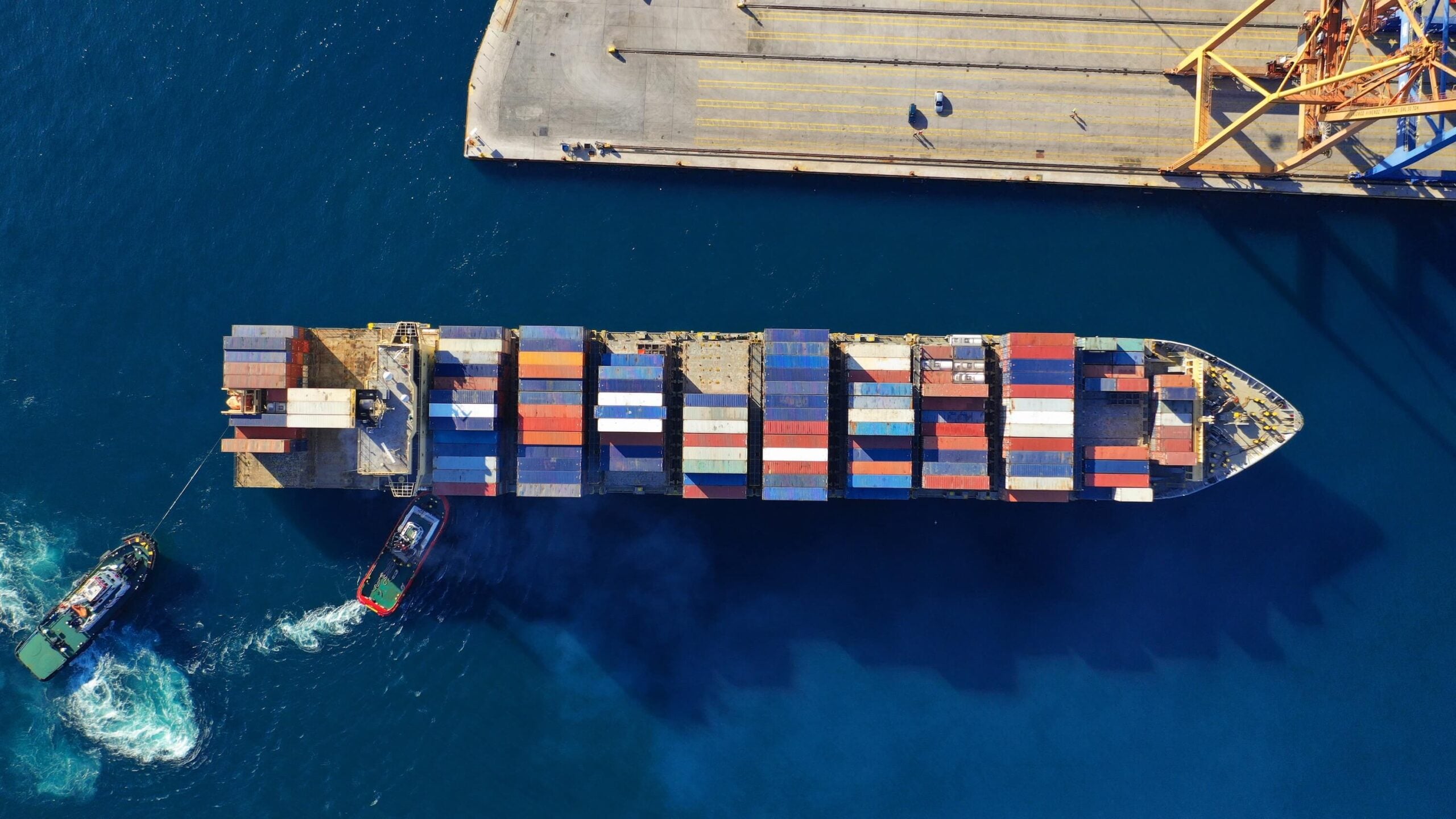
Port calls don’t fall apart in big dramatic moments. They leak.
An ETA shifts by two hours and nobody updates the pilot order. A berth window tightens and the tug booking sits in someone’s outbox. A “latest draft” comes in on WhatsApp while the terminal still has last night’s number. Meanwhile, the principal wants a clean update, finance wants backup for a charge that just hit, and the vessel is already on the approach.
If you’ve ever coordinated a call, you know the feeling: you’re not “doing one task.” You’re holding a moving picture together while half the inputs arrive late, in different formats, from people who are also juggling five other calls.
That’s what this post is about. Port call coordination is a daily practice more than a concept. And when it’s done well, it looks almost boring from the outside… because the work is structured, the record is clear, and the handoffs don’t rely on hero memory. Let’s break it down.
What is Port Call Coordination?
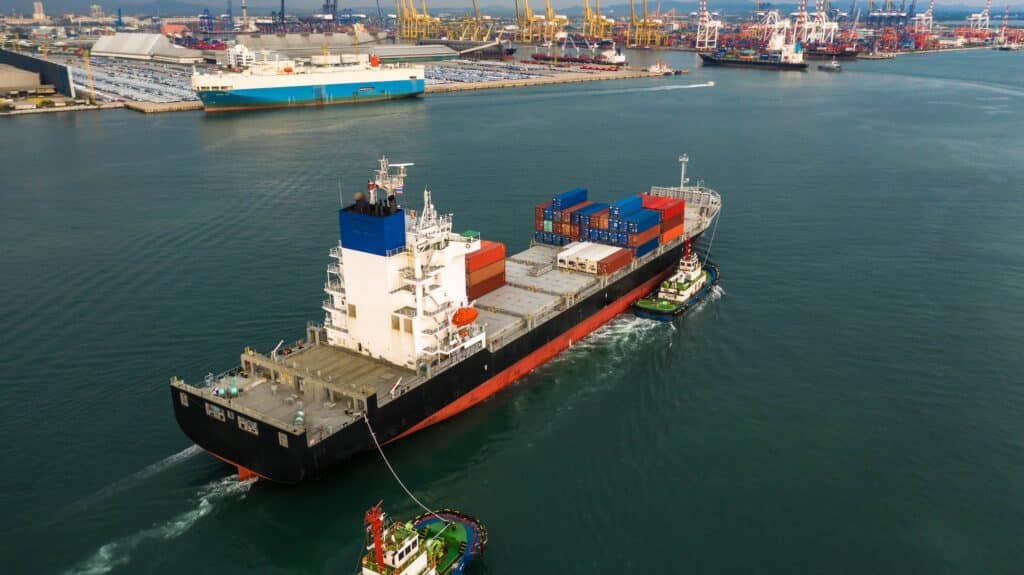
Port call coordination is the ongoing work of aligning people, timing, documentation, and money around a vessel’s arrival, stay, and departure. It sits in the space between “the plan” and “what actually happens.” That includes operational services, including pilots, tugs, lines, launch, bunkers, garbage, freshwater, medical, crew change logistics, plus the paperwork and approvals that keep the call moving.
In practice, port call coordination is two things at once:
- A live timeline that keeps changing (and still has to stay truthful).
- A shared understanding across parties who don’t share the same inbox, systems, or urgency.
And in most ports, that coordination rests squarely on the shoulders of the vessel agent.
The vessel agent is the local anchor point. They’re the one the principal calls when timing changes. They’re the one vendors contact when instructions are unclear. They’re the one the terminal looks to for confirmation. When something slips, it’s usually the agent who absorbs the first wave of pressure.
The “real” scope nobody writes down
A port call has a visible surface: arrival, berth, cargo ops, and departure. Under that surface is the coordination layer that makes it all possible:
- Vessel particulars, voyage details, terminal and berth requirements
- Pre-arrival documentation and port-specific forms
- Service ordering and re-ordering when times move
- Vendor communication, quote collection, and approval trails
- Cost capture as it happens, not days later
- Updates to stakeholders that reflect reality, not optimism
- A post-call record that can stand up to review (ops, finance, compliance)
Port call coordination also changes depending on the type of call. A straightforward cargo call may hinge on terminal cutoffs and berth windows. A crew change can hinge on immigration timing and transport. A call with inspections adds another layer of pressure because the consequences not only cause delays. They can include detention, fines, or reputational fallout.
What “good” looks like in the wild
When port call coordination is running well, you can usually tell by the questions people stop asking.
- The terminal isn’t calling for confirmation that should already be shared.
- Vendors aren’t turning up at the wrong place because an update got buried.
- The principal isn’t asking “what’s happening?” every hour because the record answers it.
- Finance isn’t rebuilding a proof pack from scattered attachments.
It’s not magic. It’s structure. It’s a system where the timeline, documents, and costs live together, and updates don’t rely on someone remembering to forward the right message at the right time.
To make that structure concrete, it helps to name the moving parts that need to be coordinated, because each one is a common failure point.
Here’s a field view of what a vessel agent is balancing on a normal day:
- Timing: ETA, ETB, pilot boarding time, tug windows, berth availability, cargo readiness, sailing instructions
- People: master/crew, terminal, port control, pilots, tugs, linesmen, launch, chandlers, surveyors, immigration, medical
- Paper: notices, certificates, lists, confirmations, permits, inspection docs, SOF inputs
- Money: quotes, approvals, pass-throughs, currency handling, invoice backup, PDA/FDA hygiene
And that’s before the port throws its usual curveballs like weather holds, terminal congestion, late paperwork from upstream, cargo delays, last-minute crew needs.
Where Port Call Coordination Breaks Down

If port call coordination is the work, the breakdowns usually come from how the work is captured and shared.
Most teams don’t lose control because they don’t care. They lose it because the “record” of the call is scattered across channels that were never designed to act like a single source of truth: email threads, PDFs, spreadsheets, chat messages, and individual memory. Everything technically exists, but it doesn’t sit together in a way that supports clean handoffs.
Below are the most common failure zones I see ops teams run into, with the kind of details that make them real.
1) The timeline splits into multiple “truths”
The vessel timeline is the spine of the call. When it’s wrong (or split across different versions) everything else wobbles.
This is where customized port calls matter in the practical sense: every port has its own cadence, cutoffs, and stakeholders, and teams often build their own informal way of tracking it. The issue isn’t that teams customize. The issue is that customization lives in personal spreadsheets and email habits instead of a shared job record.
What that looks like on the ground:
- ETA updated in one thread, pilot order still based on yesterday’s time
- Terminal’s berth window changes, but the tug booking doesn’t
- A revised cargo readiness note is shared with ops, but not with finance (who’s building the PDA assumptions)
- The “latest” timeline lives in someone’s head, and everyone else is working from an older version
You can feel this breakdown in the questions people ask: “Is this the final ETA?” “Did the pilot confirm?” “Are we still on for the same berth?”
2) Intake starts messy, so the call stays messy
A lot of breakdowns are already baked in at nomination. Missing particulars, unclear scope, mismatched contacts, outdated documents. If the start is loose, the rest becomes reactive.
This is where a vessel agent checklist earns its keep. Not as a nice-to-have template, but as a standard that protects you from repeating the same misses: LOA/LOP, draft limits, terminal contacts, port requirements, principal instructions, who approves what, and which documents are due when.
When intake is incomplete, the coordination layer spends the rest of the call patching gaps:
- Chasing a certificate that should’ve been requested upfront
- Clarifying who has approval authority after quotes already went out
- Realizing too late that the terminal needs a specific format (and rebuilding it under time pressure)
- Pulling vendor scope out of old emails because the original ask was vague
The call becomes a series of urgent clarifications, and that’s when mistakes multiply.
3) Service ordering suffers from “silent dependencies”
Service ordering is hard because everything depends on timing that moves.
Most services are sensitive to windows, and those windows don’t wait for perfect information. A coordinator is often making the best possible call based on incomplete inputs, then adjusting in real time.
The failure happens when those adjustments aren’t captured as a shared update.
A few classic examples:
- Tug booked for the original ETB, but the vessel slows down offshore
- Linesmen scheduled based on expected berth time, but cargo ops delays shift the entire plan
- A launch request is made, but the receiving party never sees the updated pickup time
- The pilot order is amended verbally, but not recorded anywhere that others can reference later
When the dependency chain isn’t visible, the call is vulnerable to the smallest mismatch.
4) Compliance work lives “next to” the call instead of inside it
Some parts of port call coordination carry risk beyond delay. Inspections are one of them.
A lot of teams treat inspection prep as a separate track, taken in the form of another folder, another chain, or another set of reminders. The trouble is that inspections intersect the call timeline and the document trail. If that work isn’t tied into the same job record, people are working from partial context.
Even when you have a strong process, flag state inspection pressure changes how the call feels: documents need to be current, particulars need to match, and there’s less tolerance for “we’ll send it later.” The coordination layer becomes tighter, and the operational timeline needs to reflect that reality.
When this breaks down, it usually looks like:
- Document versions floating around without clarity on which one was submitted
- Certificates stored in email while the job record shows nothing
- A last-minute scramble to assemble proof that should’ve been collected as the work happened
- Internal ops and external stakeholders getting different updates because information isn’t centralized
The goal is to make the work produce its own evidence as a byproduct.
5) Stakeholder updates get written like performance, not like records
This one is more human than technical.
When you’re under pressure, it’s tempting to send updates that keep everyone calm without fully capturing the status in a way that can be referenced later. You choose the shortest version. You send it in the fastest channel. You assume you’ll formalize it later.
Then later never comes.
And now you have:
- A timeline that doesn’t match what was communicated
- A dispute about “who said what” when times change
- A principal who thinks something was approved because it was mentioned casually
- A vendor who claims they never received the update
The fix is to treat updates as part of the record. If an update changes timing, scope, or cost, it should live where the job lives.
6) Money gets handled after the fact, so it’s always a reconstruction
Port calls create costs in real time. But many teams capture costs later, from memory and inbox scraps. That’s where margins leak and disputes begin.
This is also where exception work piles up. Most teams don’t call it that, but they live it: the extra hours spent chasing receipts, matching quotes to invoices, explaining variances, and rebuilding proof packs.
That’s why exception management needs to be treated as part of the operational reality, not a back-office clean-up task. The faster a cost is captured with the right backup, the less time you spend re-litigating it later.
What this breakdown looks like:
- Vendor invoice arrives with vague description, nobody can match it to the original scope
- Pass-through cost missed because it never got logged when it happened
- PDA assumptions drift away from reality because updates didn’t reach finance
- FDA delayed because backups are scattered across multiple inboxes
None of this is rare. It’s the normal cost of running port calls in disconnected systems.
A practical way to reduce breakdowns without adding more work
When teams ask “how do we tighten coordination,” they’re usually hoping for a cleaner method that doesn’t require more headcount.
Here’s the method we’ve seen hold up: treat port call coordination as a small set of repeatable actions that always leave a trace.
Use a short, repeatable rhythm (numbered list)
- Start every call with a structured job record. Capture the core particulars, scope, stakeholders, approvals, and deadlines in one place.
- Keep one live timeline that everyone references. If timing changes, the update lands in the job record, not only in a message.
- Tie service ordering to the timeline. Pilot/tug/lines updates should be attached to the same record as the changing times.
- Capture documents as the work happens. Certificates, forms, confirmations, and submissions live with the call, with version clarity.
- Attach costs with backup at the moment they become real. Quotes, invoices, receipts, and approvals stay connected to the job, line by line.
- Tag and record exceptions while they’re fresh. Weather hold, terminal delay, doc issue, vendor late… write it down once so it’s usable later.
That rhythm is simple. The hard part is giving it a home that isn’t someone’s personal spreadsheet.
This is where port operations systems earn their place. Coordination doesn’t need more channels. It needs fewer places where the truth can split.
How Base Helps Port Coordination
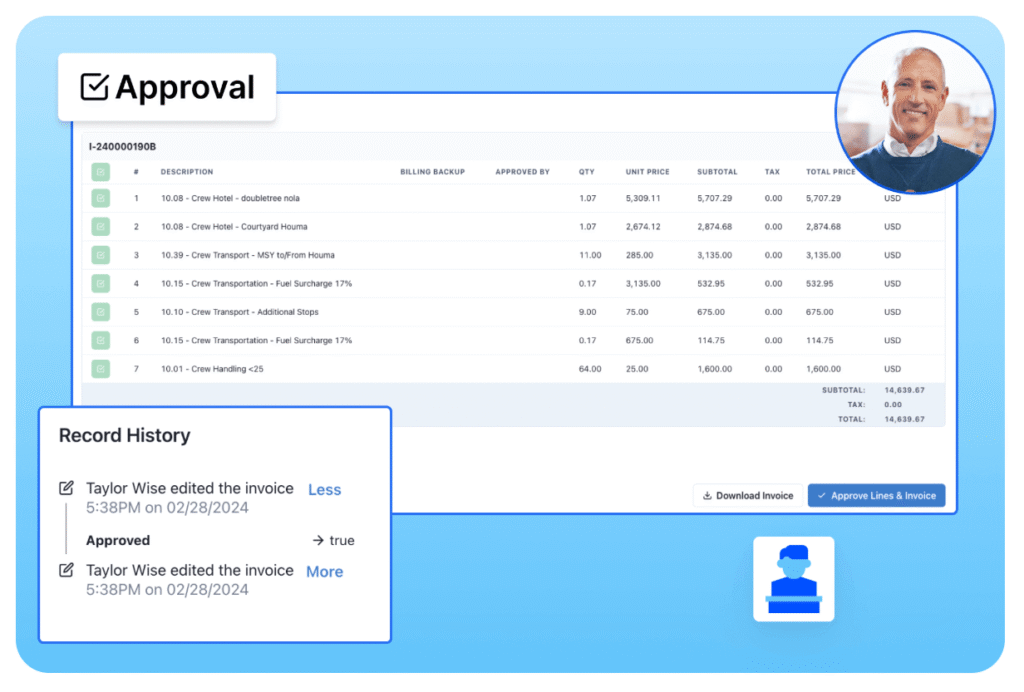
Base centers everything around the port call as a single, structured job. Instead of spreading work across inboxes, spreadsheets, and shared drives, the call itself becomes the working environment.
Here’s what that looks like in practice:
One live job per port call
- Dedicated record for each vessel and voyage
- Shared timeline with timestamped updates
- Linked stakeholders and clear ownership
When ETA, ETB, or berth details change, the update is logged against the call. No hunting through threads to confirm which version is current.
Service tracking tied to real activity
- Pilot, tug, lines, launch, bunkers, and other services tracked line by line
- Booking details and confirmations attached to each service item
- Scope changes recorded as they happen
If a tug order changes due to delay, the record reflects that immediately. The history stays intact.
Documents stored with the call
- Pre-arrival forms and port paperwork
- Certificates and inspection-related files
- Confirmations and statements of fact
Files are attached directly to the job, not buried in email. Version clarity is visible to the whole team.
Operational costs connected to the timeline
- Quotes linked to specific services
- Approvals captured inside the call
- Invoice backups attached at the line-item level
- Real-time visibility into projected disbursement
As the call evolves, financial tracking reflects what’s actually happening, not what was assumed at nomination.
Shared visibility across ops and finance
- One source of truth for the call
- No parallel records between departments
- Clear audit trail for disputes or post-call review
For vessel agents managing multiple active calls, this structure changes the day-to-day reality. The job holds the timeline, the documents, and the cost trail together. When the port shifts the plan at 02:00, you’re updating a live record, not reconstructing events the next morning.
The result is straightforward: the call remains readable, accountable, and complete while it’s still in motion.
Conclusion on Modern Port Call Management
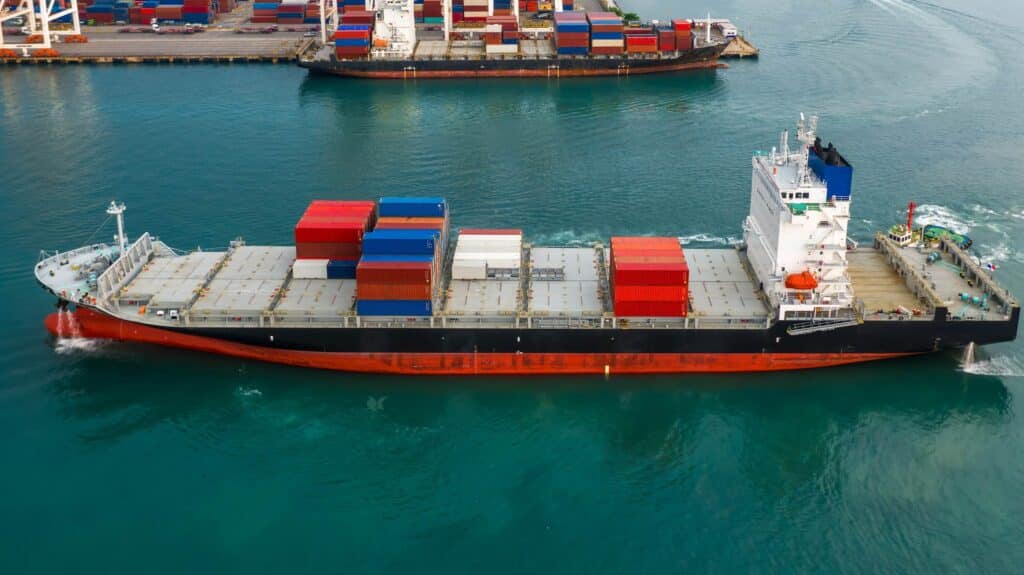
Port call coordination will always be variable. Ports change windows, weather changes speed, terminals shift priorities, and paperwork never arrives in the order you want.
What can change is how well that variability is captured, communicated, and tied back to decisions and costs. Teams that keep a single job record close to the work spend less time chasing updates and rebuilding proof later, and more time actually running the call.
If you want to see what that looks like in practice, contact Base and walk through a real port call flow, from the timeline, to documents, to approvals, and the cost trail, using the way your team actually works.
Key takeaways
- Port call coordination is the work of keeping a moving timeline, stakeholders, documents, and costs aligned in real time.
- Most breakdowns come from split sources of truth: multiple threads, multiple versions, and updates that don’t land in a shared record.
- The strongest coordination habits leave a trace: structured intake, one live timeline, recorded service changes, and cost capture with backup as it happens.
- When ops and finance share the same job record, post-call cleanup stops being a rebuild exercise.
Frequently Asked Questions
What does a port coordinator do?
A port coordinator acts as the local control point for a vessel’s arrival and departure, aligning instructions from shipping companies and shipping lines with the requirements of port authorities and port operators. The role sits inside the broader scope of maritime operations, but it is highly practical and time-sensitive.
On a daily basis, the coordinator manages service bookings, confirms berthing windows, tracks documentation, and keeps stakeholders updated as conditions shift. They also monitor how schedule changes affect fuel consumption, particularly when speed adjustments are required before arrival. Clear port coordination helps prevent unnecessary waiting time at anchorage, which in turn supports efforts to reduce fuel consumption across the voyage.
At its core, the job is about keeping the call coherent while multiple parties are acting at once.
What is port call management?
Port call management refers to the structured oversight of port call operations from nomination through departure and financial close. It includes scheduling, service ordering, documentation control, stakeholder communication, and cost tracking, all tied to a specific ship’s port visit.
Within the larger framework of maritime operations, port call management connects the vessel, terminal, vendors, and principals through a defined port call process. That process ensures that cargo handling, service execution, and reporting requirements are aligned rather than handled in isolation.
When managed well, the call is traceable from start to finish, with decisions and approvals documented as part of the working record.
What is the process of port call?
The port call process typically begins with nomination and intake, where vessel particulars, voyage details, and service scope are confirmed. From there, pre-arrival documentation is submitted through local channels, sometimes via port community systems that standardize communication with port authorities.
As the vessel approaches, arrival times are refined and services such as pilotage and towage are coordinated. Once alongside, cargo handling begins under the supervision of terminal teams and port operators, with the agent tracking timing, updates, and any deviations from plan.
Departure preparation follows completion of cargo handling, including final documentation, statement of facts compilation, and confirmation of outward clearance. Throughout this port call process, adjustments may be made to arrival speed to reduce fuel consumption if berth windows shift, linking operational timing directly to fuel strategy.
Each stage feeds into the next, and gaps in documentation or communication at any point can affect the overall outcome.
How do port calls work?
Port calls work through coordinated action between shipping lines, terminals, service providers, and regulatory bodies within the wider system of maritime operations. The vessel’s schedule drives the sequence: notice of arrival, pilot boarding, berthing, cargo handling, service completion, and sailing.
Behind the scenes, shipping companies rely on agents and coordinators to keep the moving parts aligned. This includes confirming compliance requirements, aligning cargo handling schedules with berth availability, and updating stakeholders when timing changes affect downstream plans.
A port call is not a single event but a managed sequence within global maritime operations. Its success depends on clear communication, documented updates, and continuous alignment across every party involved.